
by Simrah Asif
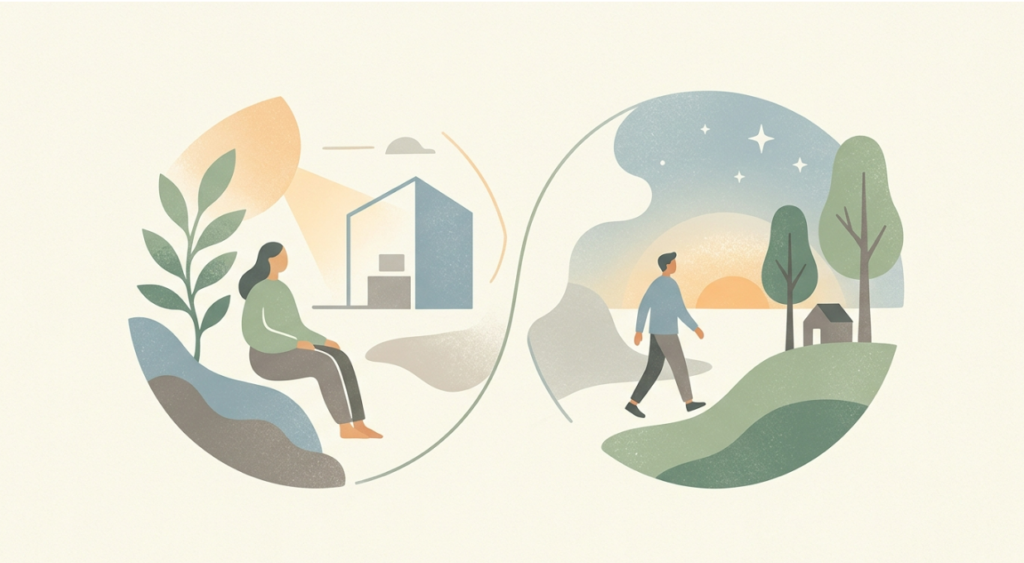
Mental health is often discussed in terms of serious conditions, but it is also reflected in how we manage everyday pressures. For many students and young adults, daily life can involve academic deadlines, expectations from family, comparisons with peers, exposure to social media, and uncertainty about what comes next. These experiences may not always seem overwhelming at first, but over time, they can begin to shape how we feel, think, and respond.
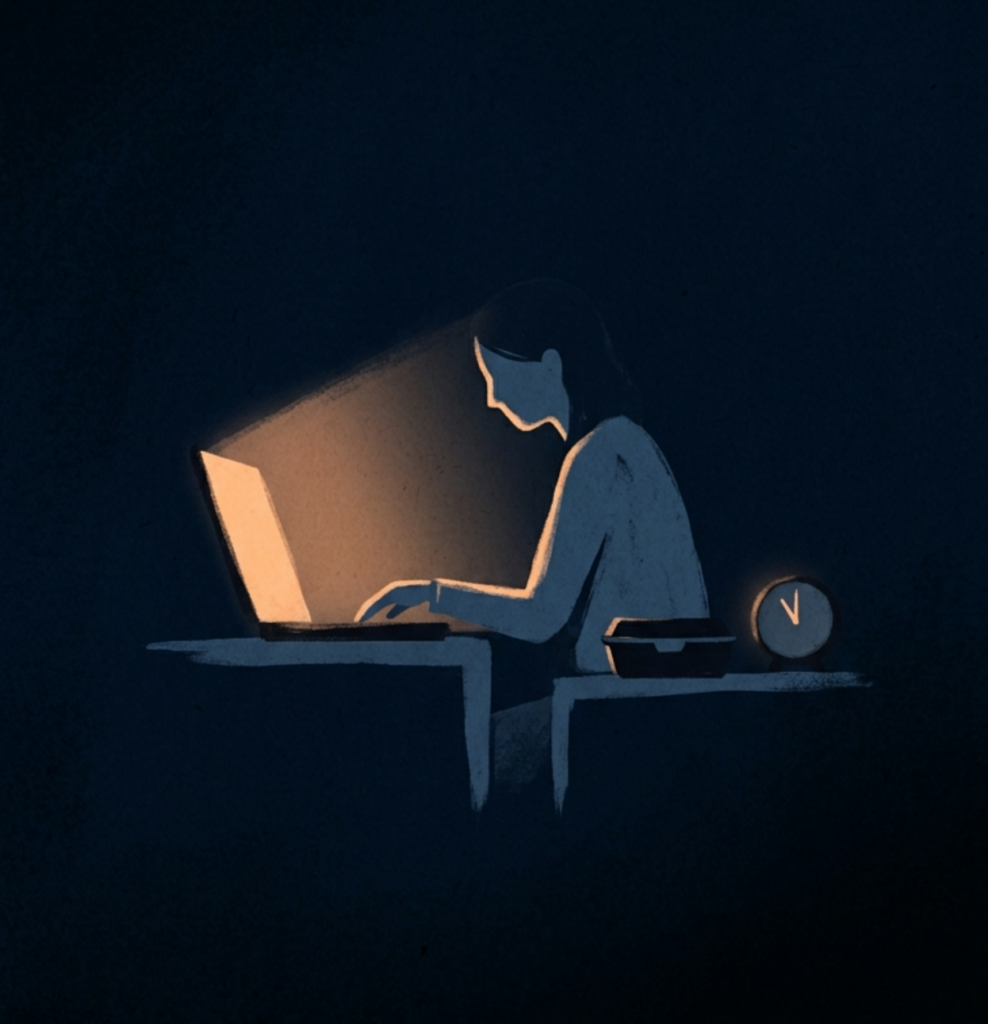
In the context of Pakistani students, academic pressure appears to be a significant source of stress for many students. Heavy workloads and performance expectations can sometimes create a persistent sense of urgency (Ali & Habib, 2023). While a certain level of stress may feel motivating, ongoing pressure without space to rest or reflect may gradually affect emotional well-being. Research conducted in local universities also suggests that academic stress can influence both academic performance and social functioning.
Social comparison is another factor that may quietly contribute to everyday stress. With social media becoming part of daily life, it can be easy to measure our progress against carefully curated highlights of others. Research suggests that higher levels of digital engagement may be associated with lower reported well-being for some individuals (Orben & Przybylski, 2019; Twenge et al., 2018). This does not mean social media is inherently harmful, but its impact may depend on how it is used and interpreted. Hence, individual experiences may vary depending on personal, social, and contextual factors.
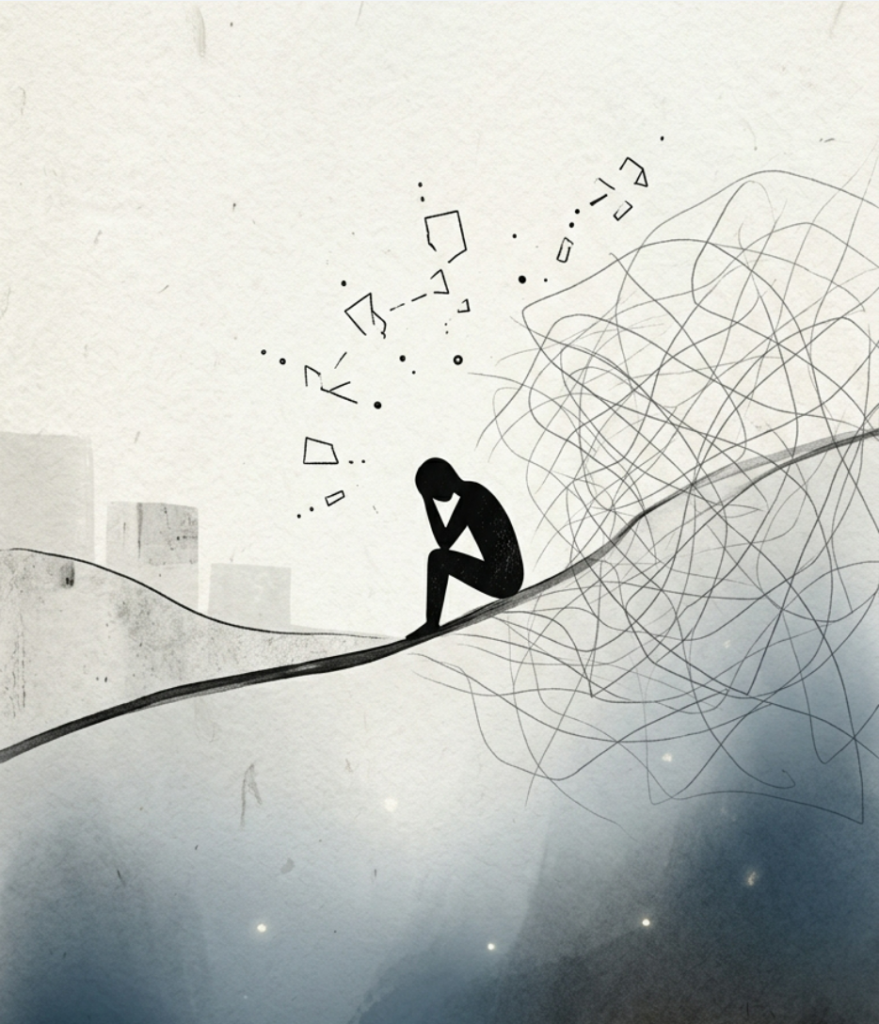
At the same time, stress is not only about what happens to us, but it is also about how we interpret and respond to those experiences. Stress and coping theory proposes that our appraisal of a situation influences our emotional response (Lazarus & Folkman, 1984). Viewing an exam as a challenge rather than a threat, for instance, may influence how manageable it feels. Emotional regulation, the ability to understand and manage our reactions, has been linked to healthier adjustment (Gross, 1998). Similarly, self-compassion, or responding to personal setbacks with understanding instead of harsh self-criticism, may support resilience during difficult periods (Neff, 2003).
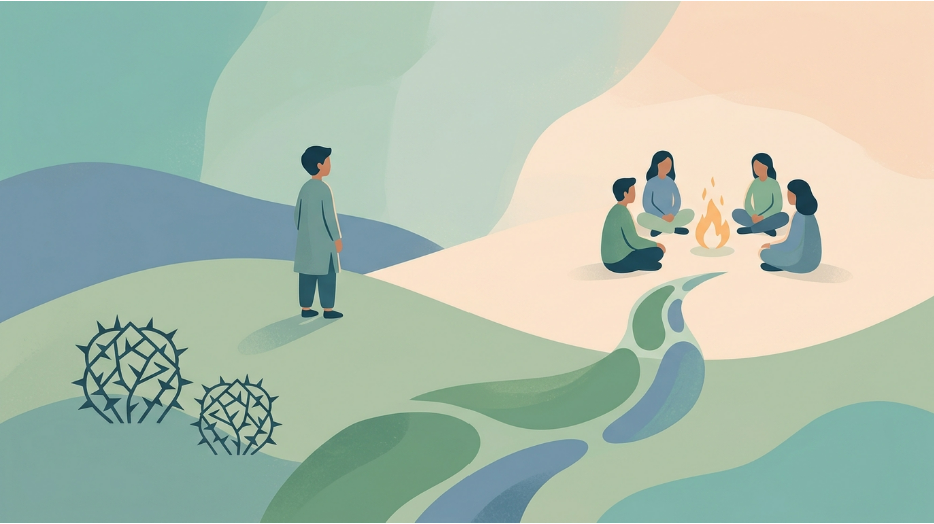
There are practical approaches that may help students navigate everyday stress more effectively. Mindfulness practices, such as brief breathing exercises or short moments of focused awareness, have been associated with reductions in anxiety and improvements in emotional clarity in some studies (Kabat-Zinn, 1990). Supportive relationships with family, friends, and mentors may also serve as protective factors. Even small adjustments, like setting boundaries around social media use or making time for hobbies, can contribute to a greater sense of balance.
It is important to acknowledge that emotional well-being is shaped by many interconnected factors, including academic demands, social environments, cultural expectations, and personal coping styles. Stress may be a common part of student life for many individuals, but it does not define one’s capacity for growth or stability. With supportive connections, reflective awareness, and adaptive coping strategies, students and young adults may gradually build emotional resilience in ways that feel realistic and sustainable.
References
Ali, R., & Habib, S. (2023). Influence of stress on students’ academic and social lives: A case of a private college of Karachi. Pakistan Journal of Educational Research. https://pjer.org/index.php/pjer/article/view/795
Academic stress and coping strategies among university students: Case study of University of the Punjab. (n.d.). Journal of Arts, Humanities and Social Sciences. https://ojs.ahss.org.pk/journal/article/view/757
Academic stress and burnout among students in the semester system. (n.d.). International Journal of Social Sciences. https://induspublishers.com/IJSS/article/view/1691
Academic stress among university students in Pakistan: Causes and consequences. (n.d.). Research Journal of Social Sciences and Economics Review. https://ojs.rjsser.org.pk/index.php/rjsser/article/view/478
Gross, J. J. (1998). The emerging field of emotion regulation: An integrative review. Review of General Psychology, 2(3), 271–299.
Kabat-Zinn, J. (1990). Full catastrophe living: Using the wisdom of your body and mind to face stress, pain, and illness. Delacorte.
Lazarus, R. S., & Folkman, S. (1984). Stress, appraisal, and coping. Springer.
Neff, K. D. (2003). Self-compassion: An alternative conceptualization of a healthy attitude toward oneself. Self and Identity, 2(2), 85–101.
Orben, A., & Przybylski, A. K. (2019). The association between adolescent well-being and digital technology use. Nature Human Behaviour, 3, 173–182.
Twenge, J. M., Joiner, T. E., Rogers, M. L., & Martin, G. N. (2018). Increases in depressive symptoms and suicide-related outcomes among adolescents after 2010 and links to increased new media screen time. Clinical Psychological Science, 6(1), 3–17.
Impact of social media usage on academic burnout among undergraduate students. (n.d.). Journal of Arts, Humanities and Social Sciences. https://ojs.ahss.org.pk/journal/article/view/1024
Editorial Note: This article was developed by a Cohort 1 intern at the Discover Psychology Foundation and is featured in the Editorial Internship Exhibition.