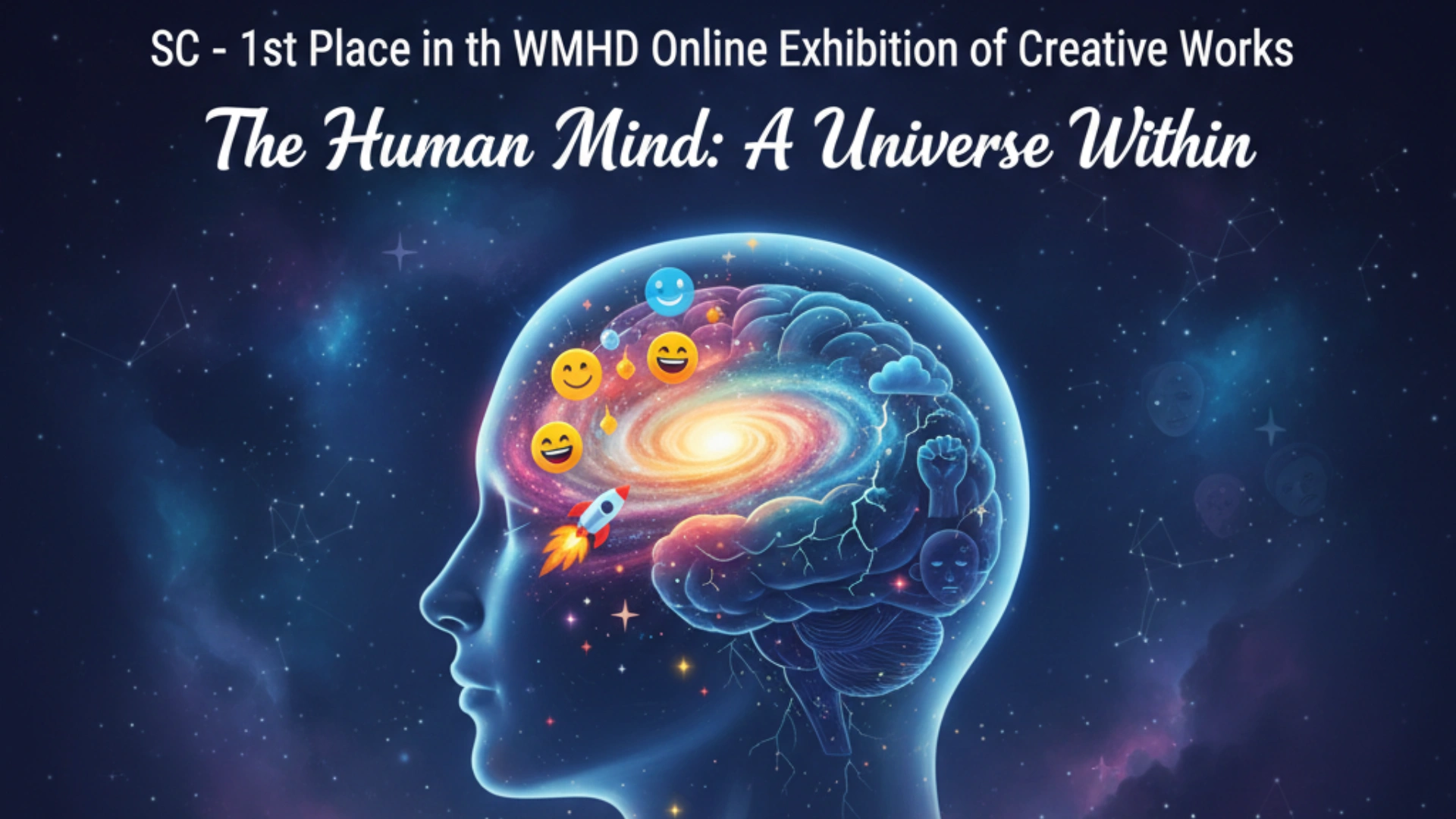
SC – 1st Place in the WMHD Online Exhibition of Creative Works
The human mind is a wonderful thing. It has guided our race to astonishing heights and has
allowed mankind to even push beyond the stars, to spread our influence past this world. It brings
us our greatest joys, those pleasant memories that make us smile, laughter, glee, and happiness.
Yet, the human mind is unfortunately not so one note; instead, it is also what deep down we all
fear, thoughts of pain, suffering, and despair are necessary to some extent. But to many, they may
not function the same as is expected. Today we call these many varieties of dysfunctions “mental
illness.” Yet, despite the great severity of the topic, it so often goes undiscussed because of its
unpleasant nature or is pushed aside as mere exaggeration. This is not beneficial to a healthy
society, and in the long run, these mixes of assumptions and myths can cause great damage.
When we think about mental health, we often let our minds wander to the most extreme
examples shown in cinema. The idea of the crazed maniac busting down a door to thwart the
efforts of the perfectly reasonable hero is certainly an iconic one. However, In reality, it hardly
scratches the true reality of mental illness. Today, the fight for mental wellness is becoming more
crucial than ever, with many nations experiencing a rapid rise in mental health issues such as
depression, anxiety, etc. These conditions do not discriminate and affect every nation and
community on the planet. For example, according to recently collected data by Komal Dayani in
the International Journal of Mental Health Systems, more than two percent of Pakistan’s
population suffers from severe mental conditions that significantly impair their daily lives.
Despite this, many of them go untreated. Now, there are a variety of reasons for this, but it’s hard
to deny the societal impact.
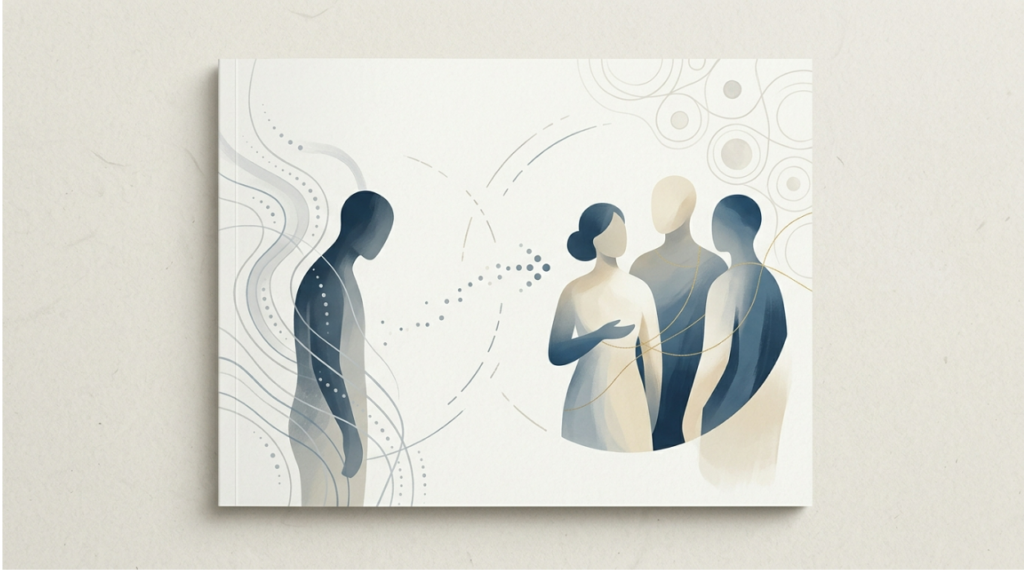
Stigma is a major societal issue when it comes to resolving the current mental health crisis.
Stigmas are not truth; rather, they are how people view mental issues in their own worldview. As
such they are just as much a product of the human condition as mental illness itself and similarly
are influenced by the environment a person resides in. It’s important, before we can tackle the
issue of stigma, we must acknowledge one unfortunate truth. No person can truly understand the
experiences of another if they haven’t experienced it themself. Therefore It should not be the
goal of our community to depict the novelties of depression or panic disorder; it is an impossible
task to try and show someone something they are not possibly able to see. like trying to describe
how you see color to a blind man, they may get the picture, but they should not be expected to
fully understand. Instead, we must push for education of harmful misconceptions before we seek
understanding. It is still true that there is a frustration to not being understood. For example,
there was a time when I was having one of my first panic attacks. At that moment, my brain had
convinced itself the world was over and my end was coming soon, from what I knew to be a sure
heart attack—though it would never come. I remember someone turning to me and saying, “Just
stop it, pull yourself together.” At the time, those words made me furious. They made me want to
scream, “Why can’t you just understand?” Yet as I reflect now, I realize that understanding was
not the issue; rather, the willingness we have in society to put down those with mental illness as
weaker or more broken than any other person is. Yes, mental health issues are “issues.” They are
not pleasant nor desirable, but they do not change the fact that we are all under the same heavens.
So when we encounter stigma, it should not be our goal to try to convince others of our very
personal experience, but rather to educate about the true effects of mental conditions. One way to
do this is by presenting them as any other kind of affliction rather than one in the nebulous realm
of the mind, describing the real effects the body goes through. For example, one result of a panic
attack is constricting blood vessels that pull blood away from the extremities, including the brain,
resulting in feelings of unreality or dizziness. This is just one of the many effects that can be
broken down in this way. Of course, this only works if the person is willing to listen in the first
place, which is why we must also push for continued education, as convincing people to change
their view is a slow, painful process. Societal issues are much more complicated than simply
spreading the facts and having everyone listen. No matter what, there will always be a
percentage of people, whether large or small, who simply refuse to listen, but that does not mean
we should stop trying; quite the contrary. The more the truth is denied by the majority, the more
it becomes the responsibility of the minority to spread the truth lest it be lost and suffering
continues.