By Editorial Interns Cohort 1
(Dur e Mufasarah, S. Clarke)
Introduction:
Across many societies, humankind has seen itself in roles based on predetermined characteristics. Whether divided by social status, race, or gender, people are assigned traits by the society and culture they belong to. It’s the latter of these characteristics where we find the most stark weaving of traits and character. Women, despite their central contributions to both family and society, have often experienced their roles being limited or undervalued in many societies. These patterns can be observed in different cultural contexts, including parts of East and South Asia, where, due to a mix of cultural pressures, stigma, and assigned gender roles, women may experience disproportionate emotional and social burdens, often without equivalent emotional or material recognition.
Building on this broader understanding, this article focuses on Pakistan to explore how emotional labor, patriarchal family arrangements, and cultural practices, sometimes presented as religious obligations, are associated with women’s mental health experiences. Rather than critiquing religion itself, the aim is to distinguish Islamic ethical teachings from cultural interpretations, to examine how emotional labor becomes normalized and less visible, and to consider its potential impact on women’s emotional well-being. By situating Pakistan within a global context, the article suggests that while emotional labor is a widespread gendered experience, its moral framing and social intensity in Pakistan may contribute to distinctive patterns of emotional strain and coping among women.
Emotional and Invisible Labor:
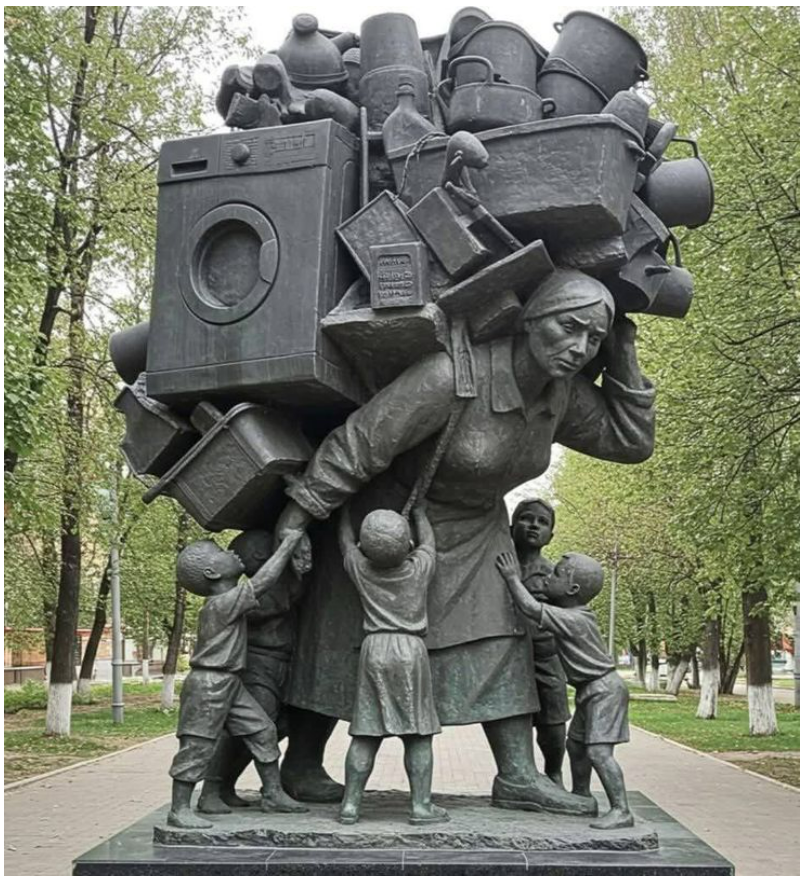
In most societies, women are commonly associated with caregiving roles. These roles often involve maintaining the daily functioning of family life, including physical responsibilities such as cooking, cleaning, and organizing, as well as emotional work such as caring for children, listening to concerns, and supporting other members of the household or community. Many people can recall moments when a mother, sister, or female caregiver offered guidance, comfort, or reassurance during difficult times. These forms of support are socially valuable and often central to family stability, even though they are rarely recognised in formal or monetary terms.
Within this broader caregiving context, emotional labor refers to the ongoing effort to manage one’s own emotions while also attending to the feelings and needs of others. It can involve maintaining family harmony at personal cost, softening one’s reactions to avoid conflict, mediating between spouses or in-laws, absorbing children’s distress, and presenting emotional stability even when feeling overwhelmed. The study by Raja & Digal (2024) describes this invisible labour as socially essential but often institutionally overlooked, noting that unpaid emotional and domestic work is associated with women’s physical and psychological well-being. When such labor becomes continuous and largely unacknowledged, it may be linked with feelings of exhaustion, frustration, or a gradual loss of personal emotional space.
While these experiences can vary widely depending on individual, family, and socioeconomic context, for many Pakistani women, emotional labor can exist even during moments that appear outwardly inactive. Simply being agreeable, patient, silent, and emotionally present for others involves psychological effort. The study observes that caregiving roles require ongoing emotional regulation, which can leave limited room for women’s own emotional expression (Sharma, 2023). Over time, an imbalance between providing emotional care and receiving it may be associated with increased vulnerability to anxiety, low mood, and physical complaints. Emotional labor, therefore, is not simply a personality trait or moral quality. It can be understood as structured psychological work that develops within gendered social arrangements.
Global and Local Perspectives:
Women’s emotional responsibilities and mental health experiences are not unique to Pakistan. Across many societies, women are often reported to be more likely than men to take on caregiving roles, balance both paid and unpaid work, and help regulate emotional environments within families and workplaces. Social norms often position women as supporters and mediators, contributing to stress and delayed help-seeking rather than reflecting personal weakness.
Research across South Asia illustrates these dynamics. The study links maternal well-being to caregiving and emotional regulation (Sharma, 2023). Similarly, the research by Rabbani et al. (2023) notes that in humanitarian contexts, women absorb emotional responsibility during crisis with limited institutional support. During instability, women frequently manage children’s fears and household continuity.
While emotional labor appears across cultures, its meaning varies locally. In Pakistan, collectivist family systems, respectability norms, and patriarchal arrangements may intensify women’s emotional roles. Women’s emotional endurance is often socially valued and encouraged through everyday expressions such as “dil bara rakho” (keep a big heart), “tumhari wajah se izzat pe daag na aaye” (don’t bring shame to the family because of yourself), and “thoda adjust kar lo” (try to adjust a little). These phrases do not necessarily intend harm, yet they may gradually transform emotional effort into moral expectation.
The study by Bibi & Ali (2018) suggests that persistent sadness among Pakistani women is often associated with ongoing social pressures, while the research by Iman (2025) highlights how stigma surrounding mental health can discourage open discussion of emotional struggles. Compared with some global settings where emotional labor is negotiated, in Pakistan, it is frequently moralized through family honour and feminine respectability, making emotional work feel compulsory over time. However, these patterns are not universal, and individual experiences may differ; it remains important to address this for those whose experiences reflect these patterns.
Family Structures and Gender Roles:
In Pakistan, emotional labor often occurs within family systems shaped by patriarchal norms, where authority, decision-making, and responsibilities tend to follow gendered lines. In many contexts, men are more likely to occupy formal decision-making roles, while women are more likely to provide caregiving and relational stability. These patterns influence women’s autonomy, voice, and perceived psychological safety within families.
The research notes that patriarchal patterns are reinforced not only through male authority but also through social expectations that women maintain harmony, mediating tensions and absorbing stress (Habiba & Abbas, 2022). Another study observes that even educated urban women may experience limitations in decision-making while being expected to remain patient, which may contribute to psychological strain and the prioritisation of relational stability over personal emotional needs (Khan, 2025).
Extended households can further amplify emotional labor. Women often navigate intergenerational expectations, manage household moods, and suppress personal grievances to preserve family unity. When emotional responsibility is framed as natural femininity, its psychological cost remains hidden. Over time, unequal emotional investment may be associated with stress, reduced self-worth, and vulnerability to anxiety. In this sense, emotional labor is less an individual choice than a structured social expectation embedded within family norms.
Cultural Pressures, Stigma, and Emotional Suppression:
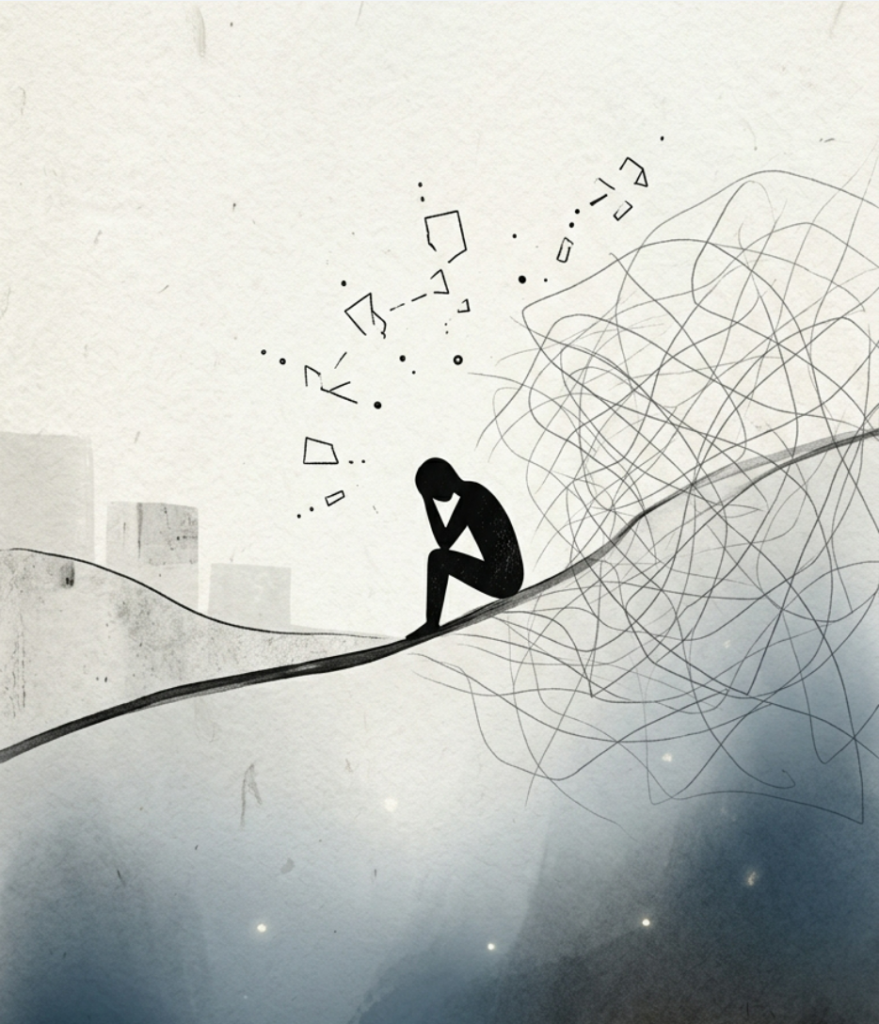
Beyond family hierarchies, cultural norms in Pakistan may place strong expectations on women’s emotional suppression. Women may experience heightened scrutiny regarding their tone, facial expressions, ambition, public visibility, and emotional reactions. From a young age, girls may learn that restraint, politeness, and endurance are valued, while anger or sadness can be socially discouraged. This ongoing self-monitoring can transform everyday interaction into emotional regulation.
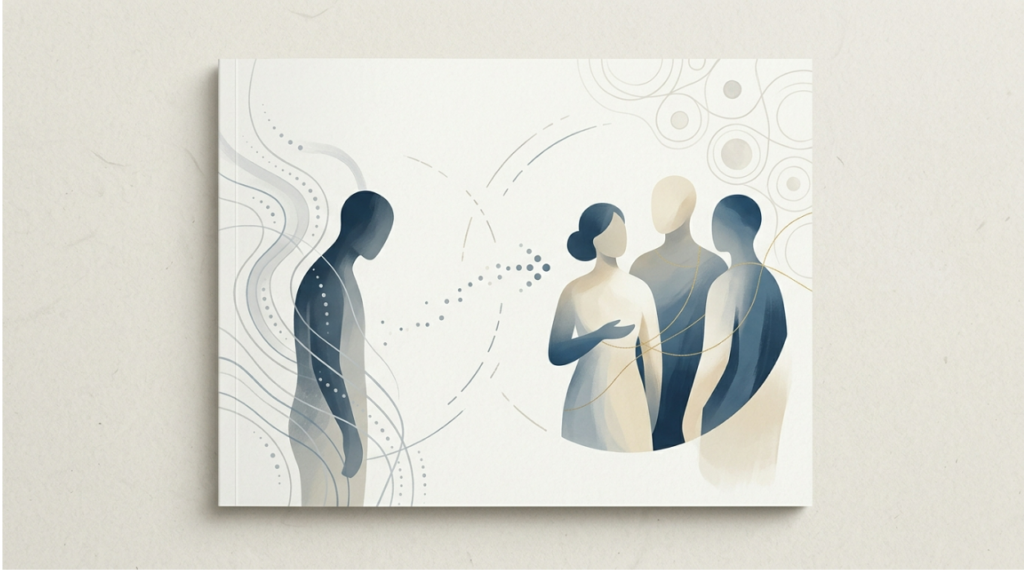
The study shows mental health stigma varies across ethnic and cultural groups but generally discourages women from openly expressing emotional distress (Iman, 2025). Psychological suffering may sometimes be interpreted as personal weakness or insufficient faith, rather than recognized as a legitimate health concern. The research by Bukhtawer (2024) found that many women accessed therapy only after prolonged periods of suppression due to fear of judgment and guilt for prioritizing themselves.
The cultural ideal of the “strong woman” may emphasise endurance over emotional literacy. While such values may support family cohesion, prolonged inhibition can delay emotional processing and may contribute to fatigue, anxiety, and low mood.
Conflict and Psychological Strain:
Emotional labor in Pakistan often occurs alongside experiences of emotional or physical hardship. The women who function as family stabilisers may also navigate controlling or high-pressure environments, where emotional regulation becomes a coping strategy.
The study by Hussain et al. (2020) associates domestic tension with increased worry and may reduce confidence among women. Beyond immediate difficulties, women may manage family fears, protect children’s feelings, and maintain outward calm while experiencing internal stress, which can make their own challenges less visible and harder to address.
Another study highlights that women exposed to early-life hardship may develop heightened sensitivity to social judgment (Thavapalan & Rehman, 2023). These experiences can make emotional suppression habitual, where women prioritize family stability and social approval over their own emotional needs. When endurance is socially or morally emphasized, the emotional cost often remains invisible. In these situations, emotional labor does not necessarily resolve conflict but may shift the emotional burden into women’s daily experiences.
Economic Participation and the Double Burden:
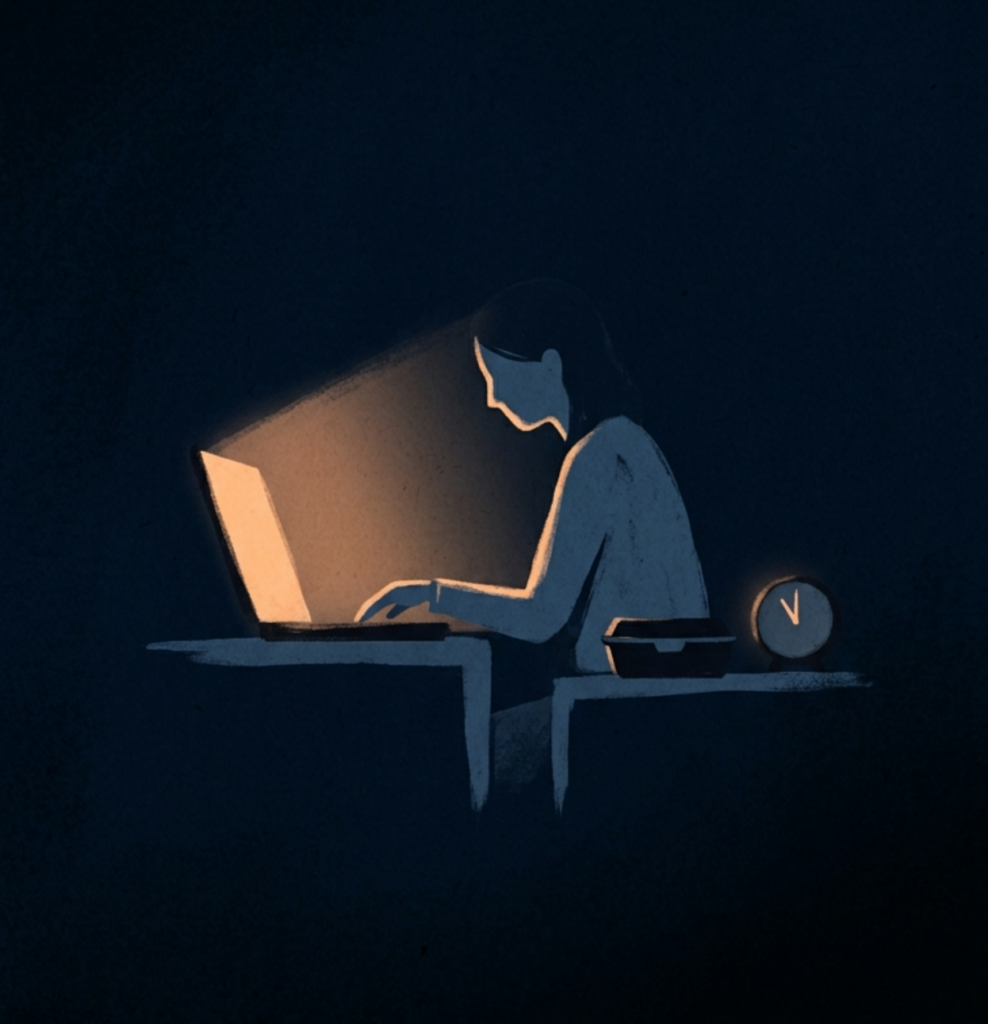
Over recent decades, increasing numbers of Pakistani women have engaged in paid work, education, and professional roles. While this reflects social progress, it often does not reduce women’s responsibilities at home. Many women may continue to perform a “double shift,” combining formal employment with ongoing domestic and emotional labor. Economic participation may add to, rather than replace, emotional obligations.
The research by Raja & Digal (2024) suggests that balancing paid and unpaid responsibilities can be associated with fatigue and ongoing stress. Women frequently manage household moods, caregiving, and relational harmony even after long workdays. Another study notes that even educated women in urban settings may experience limited decision-making power despite earning income, which can make managing multiple roles more challenging (Khan, 2025). Without shared responsibility, the combination of professional and domestic expectations may contribute to reducing personal recovery time.
Religion and Cultural Expectations:
A key dimension of women’s emotional responsibilities in Pakistan involves how cultural expectations are often presented as religious obligations. When social norms are framed as divine commands, women may perceive resistance as morally wrong, making endurance and silence feel compulsory rather than optional.
Islamic teachings emphasize dignity, consent, justice, and compassion. The Qur’an prohibits coercion in marriage, stating: “Do not inherit women against their will” (Surah An-Nisa 4:19), and affirms women’s inheritance rights: “For men is a share of what the parents and close relatives leave, and for women is a share of what the parents and close relatives leave” (Surah An-Nisa 4:7). Financial responsibility is assigned to men through mahr: “Give women ˹you wed˺ their due dowries graciously.” (Surah An-Nisa 4:4). Additionally, the Qur’an clarifies that no individual bears another’s burden: “No soul bears the burden of another” (Surah Al-An’am 6:164), rejecting the idea that a family’s honor is linked to a woman’s behavior. The Prophet Muhammad ﷺ also recognised human emotional vulnerability, demonstrating that sadness and anxiety are part of life, not a deficiency of faith.
In some cases, cultural practices may overshadow ethical teachings. Forced marriages, inheritance denial, and moral policing are often justified as religion rather than social control. Distinguishing culture from faith clarifies that many pressures affecting women’s well-being are socially produced, not divinely required
Social Infrastructure:
Women’s emotional labor also substitutes for a limited social infrastructure. In contexts with limited mental health services, women often play a significant stabilising role in families, mediate crises, and maintain relational continuity. Studies by Rabbani et al. (2023) and Sharma (2023) observe that the caregiving role involves ongoing emotional management, particularly when resources are scarce.
When society treats emotional labor as natural rather than infrastructural, it reduces incentives to develop supportive services, quietly shifting systemic responsibilities onto women. Recognizing emotional labor as social infrastructure highlights its social and psychological significance.
Conclusion:
Women’s mental well-being in Pakistan is closely connected to the often-unrecognized work of emotional labor. Many women manage families, relationships, crises, and moral expectations while limiting their own emotional expression. These responsibilities may be intensified by family structures, social norms, economic demands, exposure to conflict, and cultural framing of morality.
While emotional labor is a widely observed global experience, in Pakistan, it is often morally reinforced through honor, patience, and respectability. Clarifying the distinction between cultural practices and Islamic teachings shows that many pressures affecting women’s well-being are socially constructed rather than religiously required.
Awareness is about support and redistribution, not blame. Sharing emotional responsibilities, encouraging open emotional literacy, and improving access to care can help reduce invisible burdens. When emotional labor is recognized and supported, women’s well-being may improve, families function more sustainably, and society can move toward balance rather than silent endurance.
This article discusses broad social patterns and research findings. It does not represent all individual experiences, and variations exist across families, communities, and personal circumstances.
References:
Bibi, S., & Ali, U. (2018). Social and Cultural Pressures and Depression in Pakistani Women: A Case Report. ARC Journal of Psychiatry, 3(3), 10-15. https://www.arcjournals.org/pdfs/ajp/v3-i3/4.pdf
Bukhtawer, N. (2024, September 1). A Case Study of Female Clients’ Experiences of Psychotherapy in Islamabad. Journal of Asian Development Studies, 13(3), 836-850. https://doi.org/10.62345/jads.2024.13.3.68
Habiba, U., & Abbas, R. (2022, April 25). Exploring the Dark Horses of Power within Family Settings: Patriarchy at The Hands of Woman Shaping Domestic Violence Against Woman. Pakistan Social Sciences Review, 6(2), 283-295. http://doi.org/10.35484/pssr.2022(6-II)25
Hussain, H., Hussain, S., Zahra, S., & Hussain, T. (2020, May 13). Prevalence and risk factors of domestic violence and its impacts on women’s mental health in Gilgit-Baltistan, Pakistan. Pakistan Journal of Medical Sciences, 36(4). https://doi.org/10.12669/pjms.36.4.1530
Iman, F. (2025, March 30). Comparative Study of Cultural Influence on Mental Health Stigma among Pakistani Ethnic Groups. Qlantic Journal of Social Sciences and Humanities, 6(1), 371-379. https://doi.org/10.55737/qjssh.vi-i.25323
Khan, T. (2025, September 22). Female Marginalization by Male Head of the Household and Mental Health Concomitants amongst Educated Women of Urban Lahore, Pakistan. Human Nature Journal of Social Sciences, 6(3), 167-178. https://doi.org/10.71016/hnjss/4bjxhv14
Rabbani, F., Zahidie, A., Siddiqui, A., Shah, S., Merali, Z., Saeed, K., & Afifi, M. (2023, October 30). A systematic review of mental health of women in fragile and humanitarian settings of the Eastern Mediterranean Region. Eastern Mediterranean Health Journal, 30(5), 369–379. https://doi.org/10.26719/2024.30.5.369
Raja, A. N., & Digal, G. (2024, December 24). Invisible labour with Visible effect: The Impact of Unpaid Work on Women Health and Wellbeing. SEEJPH, 24, 1711-1724. https://www.researchgate.net/publication/389736108_Invisible_labour_with_Visible_effect_The_Impact_of_Unpaid_Work_on_Women_Health_and_Wellbeing_SEEJPH_Volume_XXIV
Sharma, A. (2023, May). South Asian Women’s Experiences of Maternal Mental Health. White Rose eTheses Online. oai:etheses.whiterose.ac.uk:33357
Thavapalan, N., & Rehman, N. (2023, June 21). South Asian Females’ Exposure to Childhood Violence and Perceived Stigma regarding Mental Health. Pakistan Journal of Professional Psychology: Research and Practice, 14(1). https://doi.org/10.62663/pjpprp.v14i1.26
Editorial Note: This article was developed as part of a collaborative editorial group task by Cohort 1 interns at the Discover Psychology Foundation and is featured in the Editorial Internship Exhibition.