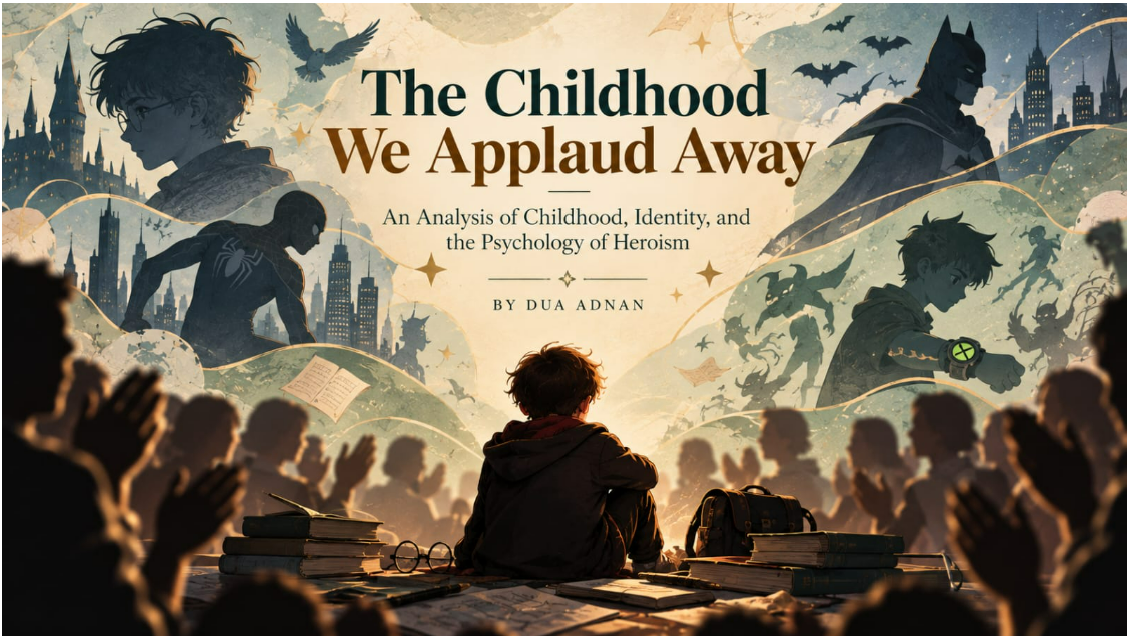
By Dua Adnan | 1st Place in Discover Psychology Literary Competition & Exhibition of Works 2026
There is something almost universally inspiring about a child who grows up too soon. We see a child taking care of their family, carrying responsibilities far beyond their age, protecting the people around them, or enduring things that no child should have to endure, and our first instinct is often to admire them. We call them mature, responsible, strong. We say they have grown up so well. In fiction, this idea becomes even more obvious. Some of our most beloved young protagonists are children who are given enormous responsibilities and somehow manage to carry them.
Harry Potter is probably one of the easiest examples.
From the beginning of his story, Harry does not exactly have much of a childhood. He grows up with the Dursleys, is treated as a burden, and has very little control over his circumstances. Then, almost overnight, he discovers that he is a wizard. At first, Hogwarts seems like an escape from everything he has known. But he soon discovers that he is not simply another student. He is the Boy Who Lived. He is the person expected to confront Voldemort.
Harry did not choose any of this. Yet a large part of what makes him admirable is that he accepts it.
That is what interests me about stories like his. The problem is not that Harry is brave, and it is not that his willingness to protect other people is somehow a bad thing. The question is why a story becomes so much more inspiring when the person carrying the burden is a child. Why do we find it so moving when a child gives up being a child?
Part of the answer may lie in how children and adolescents develop their understanding of themselves. Identity development is an important part of growing up. Childhood and adolescence are periods in which people begin asking, consciously or otherwise, who they are, what they value, what they are capable of, and what kind of person they want to become. Fiction can give young people characters through whom they explore some of these questions.
This is where character identification becomes important. A child watching Harry Potter, Spider-Man, Batman, or Ben 10 does not necessarily think about psychological development while watching them. They might simply think, “I want to be like them.” They may want their courage, intelligence, powers, or even their sense of being special. Fictional characters can become models for possible versions of ourselves.
This connects with Social Learning Theory, particularly Albert Bandura’s work on observational learning. We learn partly by observing models and noticing what happens to them. Fictional characters can therefore model behaviours and values just as real people can. A character who is brave, responsible, selfless, and willing to protect others becomes a model of what a “good” person can look like.
But there is a difference between thinking, “I want to be brave like this character,” and thinking, “A good person must always be brave.”
That difference matters.
Most parents are not trying to teach their children anything harmful when they tell them to be responsible, behave well, help others, or make them proud. These are ordinary parts of moral development and moral socialization. Children gradually develop ideas about right and wrong, responsibility, fairness, and what society expects from them.
The problem begins when goodness becomes tied too closely to usefulness.
Be good. Be responsible. Do not cause trouble. Think about everyone else. Do not be selfish. Make people proud. None of these expectations are necessarily wrong. But when they are constantly reinforced, a child can begin to develop a very particular idea of what being a good person means. If anger, sadness, frustration, or selfishness are also treated as things they should suppress, they may start believing that their own needs matter less than everyone else’s.
This is where the idea of the “mature child” becomes interesting. We often praise children for behaving like adults. We admire the child who never complains, the older sibling who takes care of everyone, or the teenager who seems to have everything figured out. There is a concept related to this called adultification, where children are expected to take on levels of responsibility or maturity beyond what would normally be appropriate for their developmental stage.
There is nothing wrong with a child becoming capable. The problem is when capability quietly becomes obligation.
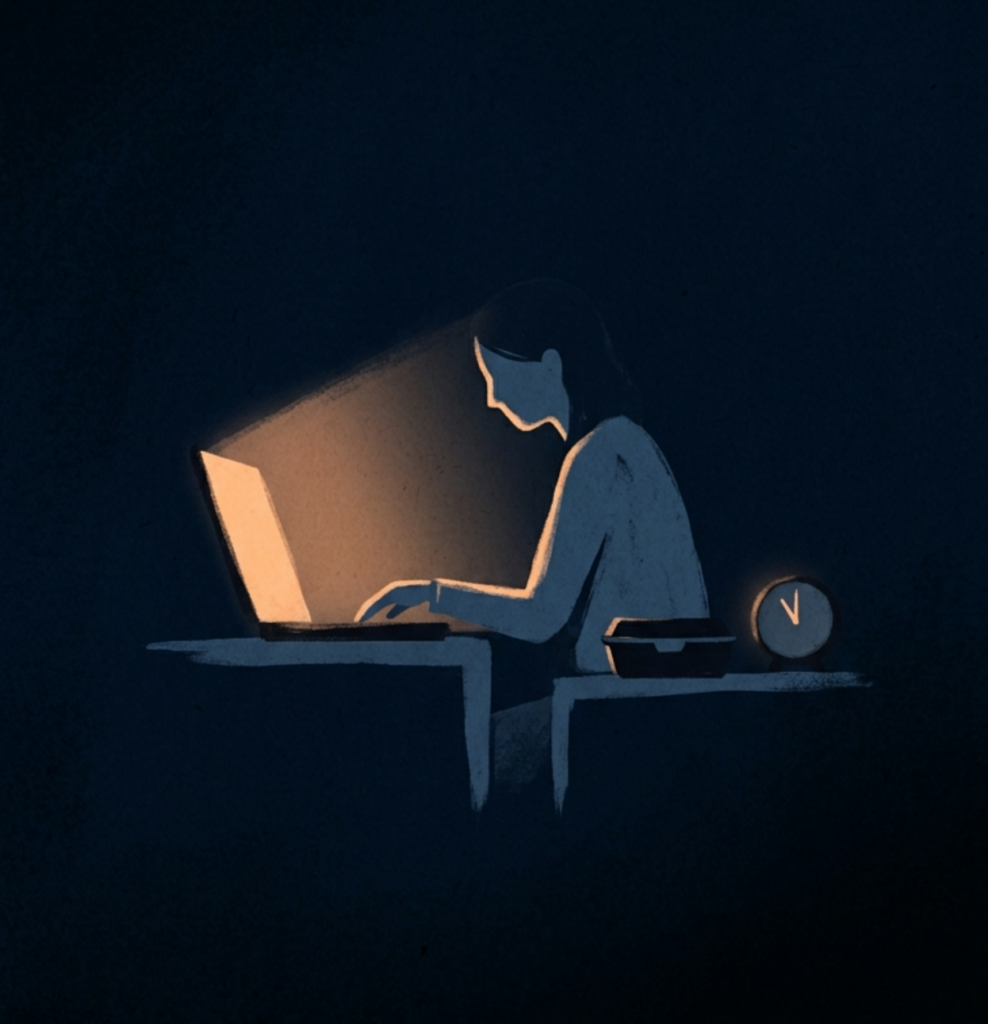
If a child can take care of something, people may begin expecting them to. If they rarely complain, people may assume they do not need help. If they are responsible, they may become the person everyone relies on. Because the child is praised for it, the burden can become difficult to recognize as a burden at all.
This can happen outside fiction too. An oldest sibling, for example, may be expected to be a role model for younger siblings. Sometimes this is completely ordinary. But sometimes being “the responsible one” becomes so central to their role in the family that they have very little space to simply be a child. Fiction takes this same idea and turns it into heroism.
Peter Parker is a good example. Before becoming Spider-Man, Peter is usually portrayed as an intelligent student with an interest in science. After receiving his powers, however, responsibility becomes one of the defining features of his character. “With great power comes great responsibility” is a beautiful principle, but it also becomes the foundation of Peter’s identity. His powers give him the ability to help people, and that ability quickly becomes a responsibility he cannot seem to put down.
Sometimes I wonder what Peter Parker would want if he had never received those powers. Not what Spider-Man would want, What would Peter want? Would he still want to be a scientist? Would he want an ordinary life, where his biggest concerns were school, friends, relationships, and his future? We rarely get to ask those questions because the hero’s identity becomes more important than the ordinary one.
Batman presents something similar. Bruce Wayne’s childhood loss becomes deeply connected to the person he eventually becomes. Batman gives that pain direction and turns it into a purpose. Through self-concept and identity centrality, we can understand how one role can become so important to someone’s understanding of themselves that it begins to overshadow other parts of their identity.
Bruce Wayne is not literally two different personalities, but Batman becomes such a central part of who he is that it becomes difficult to imagine him without the mission.
The “chosen one” story adds another layer to this. Identity foreclosure, associated with James Marcia’s work on identity status, describes committing to an identity or direction without much opportunity to explore alternatives. Fictional characters are obviously not psychological case studies, but the comparison is interesting. Being chosen gives a character a clear identity and purpose, but it can also remove their opportunity to decide what they want for themselves.
You are chosen. You are special. You have a purpose. Therefore, you are expected to accept it. We rarely see what happens if the hero says no.
What if Harry Potter does not want to fight Voldemort? What if Peter Parker wants his powers but does not want the responsibility that comes with them? What if Bruce Wayne wants to grieve without turning his entire life into a mission? These possibilities are rarely treated as meaningful choices because the heroic path is presented as the morally correct one.
This is where the relationship between suffering and heroism becomes important. Fiction often follows a very satisfying pattern: someone suffers, that suffering gives them purpose, they sacrifice themselves for others, and they become admirable because of what they have overcome. Their pain gives their story meaning.
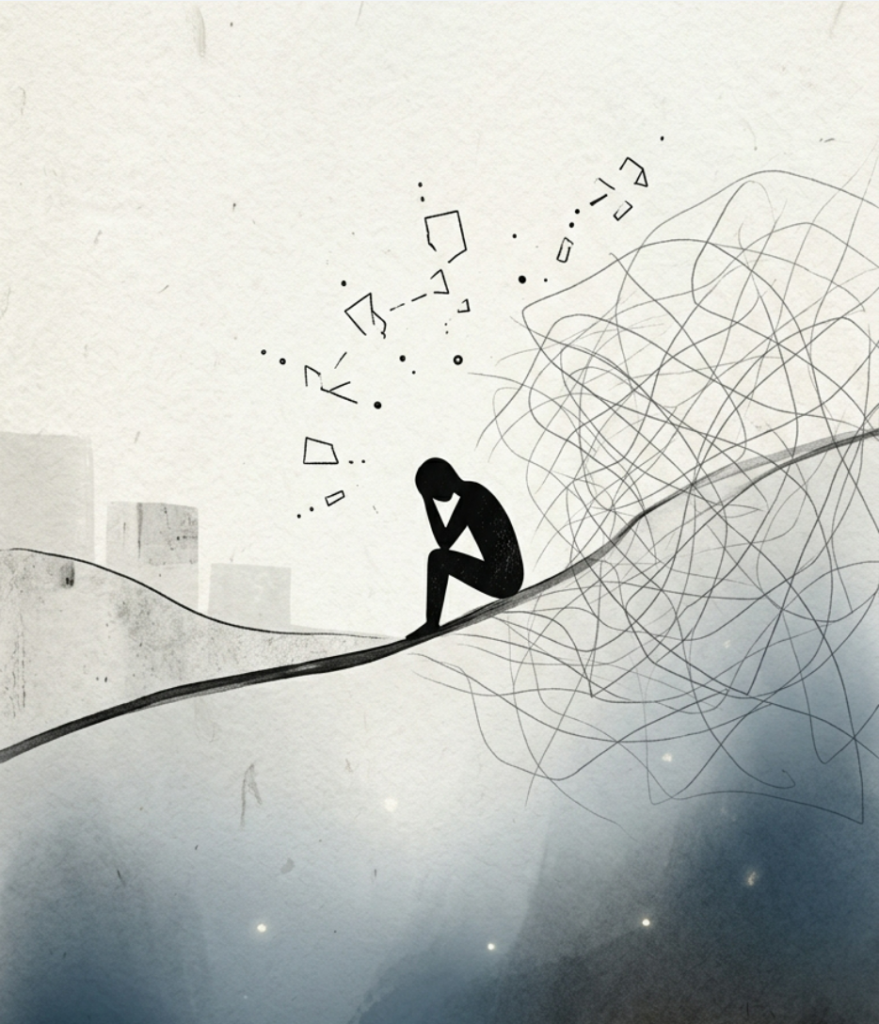
There is truth in the idea that people can find meaning after difficult experiences. Meaning-making after trauma can be an important part of how some people understand and recover from painful events. But fiction sometimes makes the process look much cleaner than it really is. Trauma does not automatically make someone stronger, wiser, or more heroic. Sometimes it simply hurts. Sometimes it changes someone in ways they did not choose. Sometimes surviving and learning to live with what happened is enough.
You do not have to become something great to prove that you have healed.
I think this is one of the things we lose when we romanticize premature maturity. We start believing that a person needs to turn their suffering into something impressive for it to have been worth surviving.
This is also why young heroes are so effective in the first place. Children and teenagers are naturally able to relate to characters who are close to their own age. A young protagonist makes the story accessible: that could be me. But there is an interesting contradiction. The character is young enough to be relatable, yet extraordinary enough that they are barely allowed to behave like an ordinary child.
Harry is a child, but he is also the chosen one. Peter is a teenager, but he is also Spider-Man. Ben is a child, but he is responsible for powers far beyond anything an ordinary child could control. Their age makes them relatable, while their responsibilities make them extraordinary.
There is nothing wrong with these stories. In fact, they can give children wonderful things. They can teach courage, empathy, resilience, loyalty, and the belief that they have some control over their lives. The problem is not heroism itself. The problem is when inspiration becomes expectation.
There is a huge difference between “I want to be brave like my favourite character” and “I have to be brave all the time.” There is a difference between wanting to help people and believing that your worth depends on how useful you are to them. There is a difference between caring about others and believing that caring about yourself is selfish.
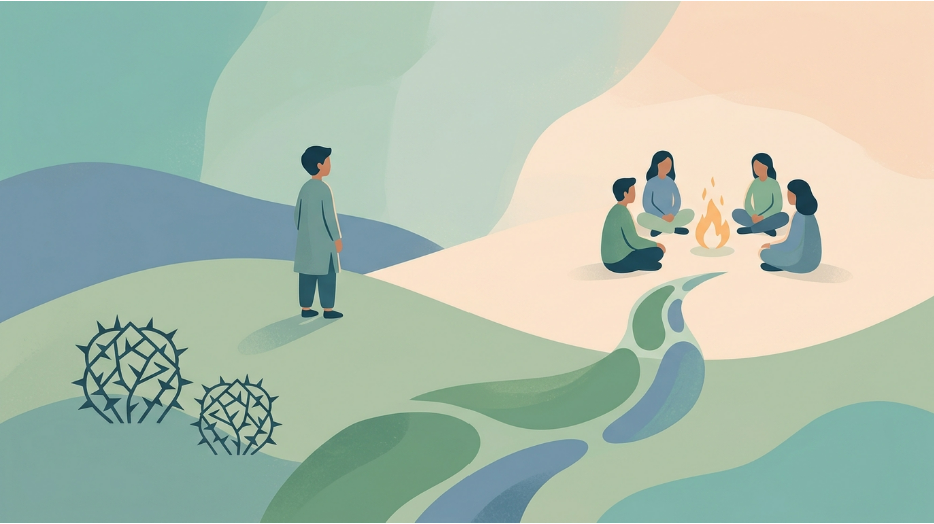
This is why stories that present vulnerability and support as forms of strength can feel so different. Lars and the Real Girl, for example, does not ask its struggling protagonist to become extraordinary or turn his pain into some heroic achievement. The people around him meet him where he is and support him. Strength, in that story, is not simply about enduring everything alone.
Maybe childhood needs some of that same space.
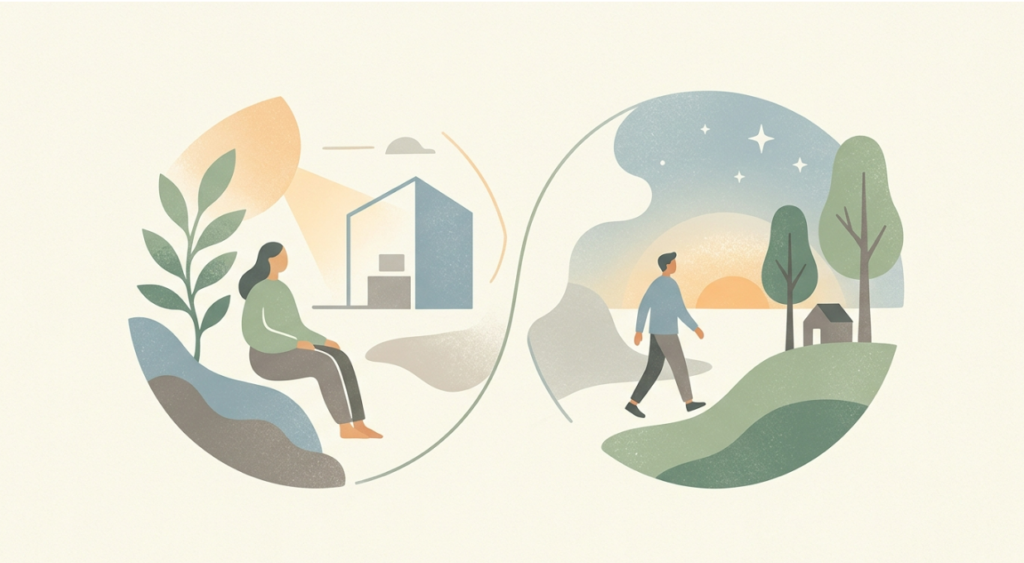
We often talk about childhood as if its purpose is to prepare someone for adulthood as quickly as possible. But childhood is not simply a waiting room for becoming an adult. It is where people explore, play, make mistakes, form relationships, change their minds, and begin developing an identity of their own. A child should be allowed to discover who they are before being expected to prove who they are.
So perhaps we should be more careful about the kind of maturity we admire.
A child can be responsible without being burdened. They can be good without being self-sacrificing. They can care about other people without abandoning themselves. They can make mistakes, be confused, be angry, be selfish sometimes, and still be good people.
Most importantly, they should be allowed to be ordinary.
The next time we watch a child hero sacrifice their childhood to save everyone else, perhaps we should not only ask how brave they are. We should also ask why their childhood had to become part of the price of their heroism in the first place.
Children do not need to become heroes to be worthy of admiration. They do not need to make everyone proud, be endlessly useful, or carry responsibilities simply because they are capable of doing so. They deserve the opportunity to explore who they are, rather than having an identity handed to them because everyone else needs them to be something.
Maybe the question we should ask is not why a child is capable of carrying an adult burden, but why we were so impressed that they had to carry it at all.
Responsibility should be part of who they become, not the entirety of who they are.
About the Author
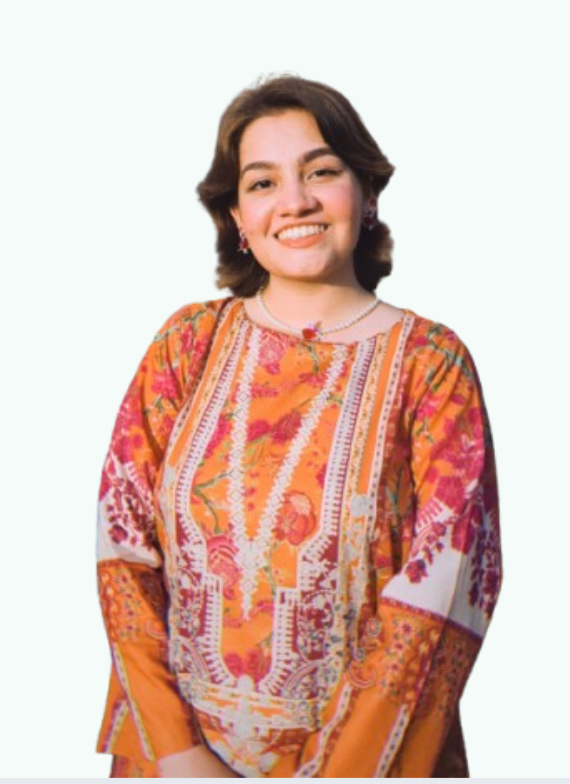
Dua Adnan – 1st Place in the Discover Psychology Literary Competition & Exhibition of Works 2026
I am a Psychology student at the University of Karachi and a writer and editor with an interest in human behaviour, identity, and the ways in which society shapes how we understand ourselves and others.
Through my writing, I often explore ordinary experiences through a psychological lens, especially the assumptions and expectations we grow up with but do not always stop to question.
[Content Disclaimer: Works published under the Discover Psychology Literary Competition & Exhibition of Works 2026 are submitted by their respective authors and do not necessarily reflect the views, positions, or perspectives of Discover Psychology Foundation. These works may explore sensitive topics, themes, or experiences. Reader discretion is advised.]