
By Mina Faisal
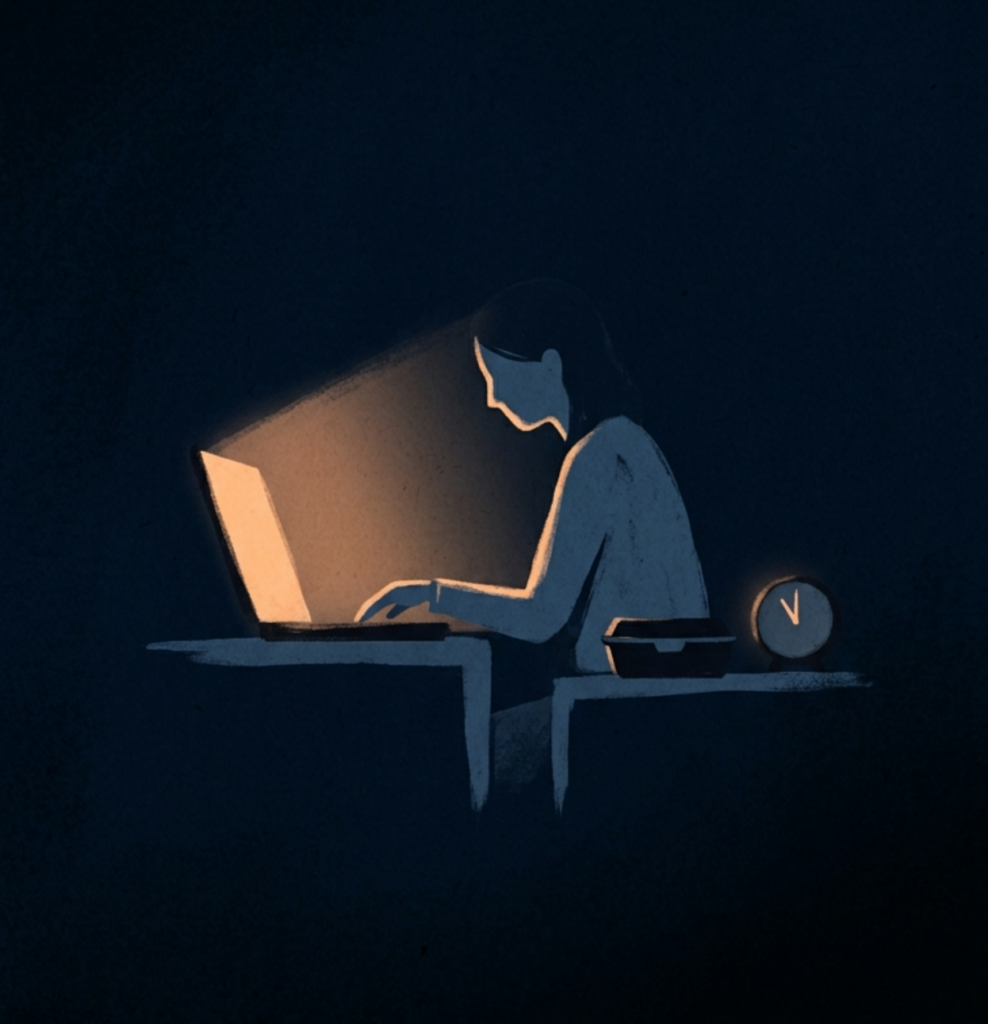
Late at night, when an unexpected spike of anxiety hits or a deep fatigue sets in that sleep cannot fix, the instinct to look for answers is almost automatic. We open an app, swipe once or twice, and within seconds a creator appears on screen. Looking directly into the camera, they speak with absolute confidence, outlining a neat list of traits that match our exact mood. The message is simple, validating, and immediate, you are not just stressed, you have a specific condition, and here is how to fix it.
This dynamic has quietly turned social media platforms into unregulated medical hubs. Driven by engagement algorithms and a widespread need for accessible advice, unverified creators are filling a gap left by traditional healthcare, changing how millions of people assess their physical and mental health. It is easy to see why these digital spaces are appealing. The modern healthcare system can be notoriously difficult to navigate, defined by long wait times, high consultation costs, and persistent social stigma around mental health. Social media, by contrast, may provide immediate recognition, a shared language for unnamed struggles, and a comment section full of people experiencing the exact same thing. The problem, however, is not the search for community or knowledge, but the severe oversimplification that occurs when medicine is compressed into a short video clip. Clinical evaluation is a meticulous process rooted in differential diagnosis, the careful process of evaluating why a symptom belongs to one underlying condition rather than another.
When a video reduces a complex psychological or physiological disorder to a brief checklist, it may strip away nuance, ignore individual biochemistry, and promise linear solutions to complex problems. Self-diagnosing through generalized online content may carry real risks. It is easy to mistake situational burnout or temporary life stress for a long-term psychiatric disorder when every everyday struggle is framed through a clinical lens, artificially heightening health anxiety. Conversely, attempting to self-manage severe, chronic exhaustion with viral wellness routines or suggested supplements can obscure serious medical issues like a thyroid disorder or an autoimmune condition -that require clinical testing and targeted medical treatment.
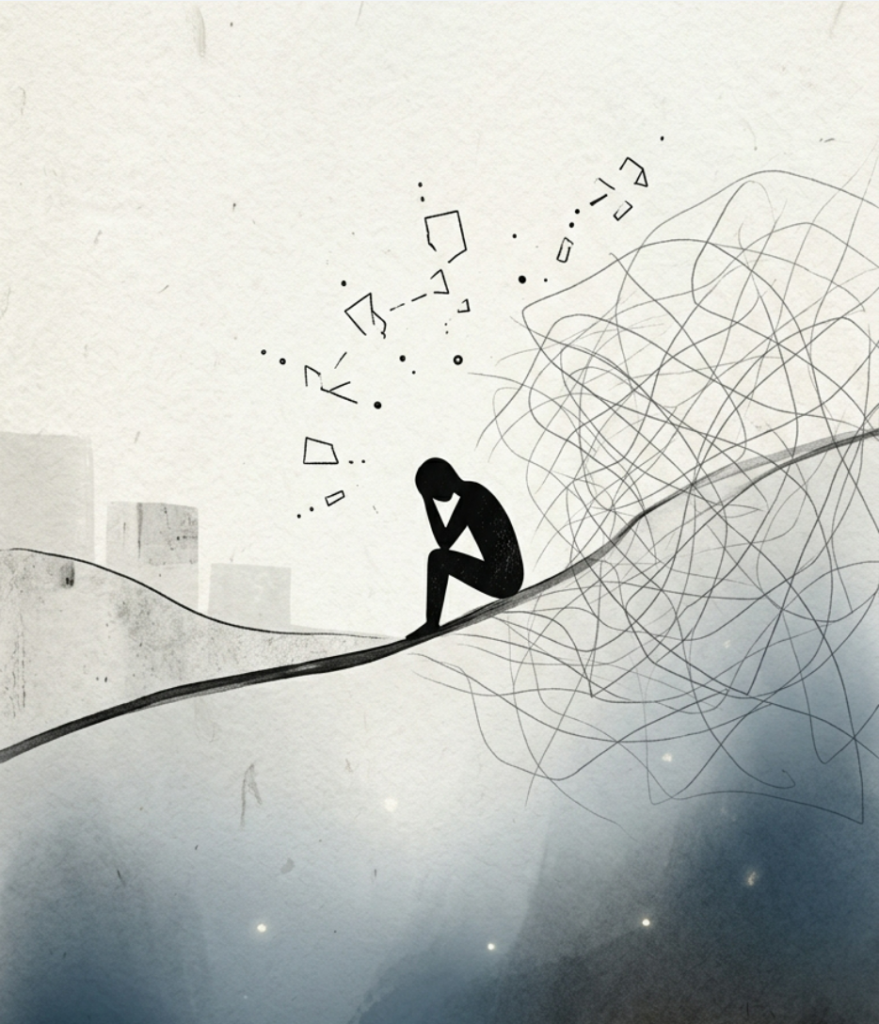
Compounding this issue, social media platforms are designed to maximize watch time rather than ensure medical accuracy. Clicking on a single symptom video often floods a feed with dozens more, creating a psychological feedback loop that may make transient struggles feel permanent and overwhelming. Online content does not need to be avoided entirely, as social media has done valuable work in dismantling long-standing taboos around mental health and encouraging open dialogue.
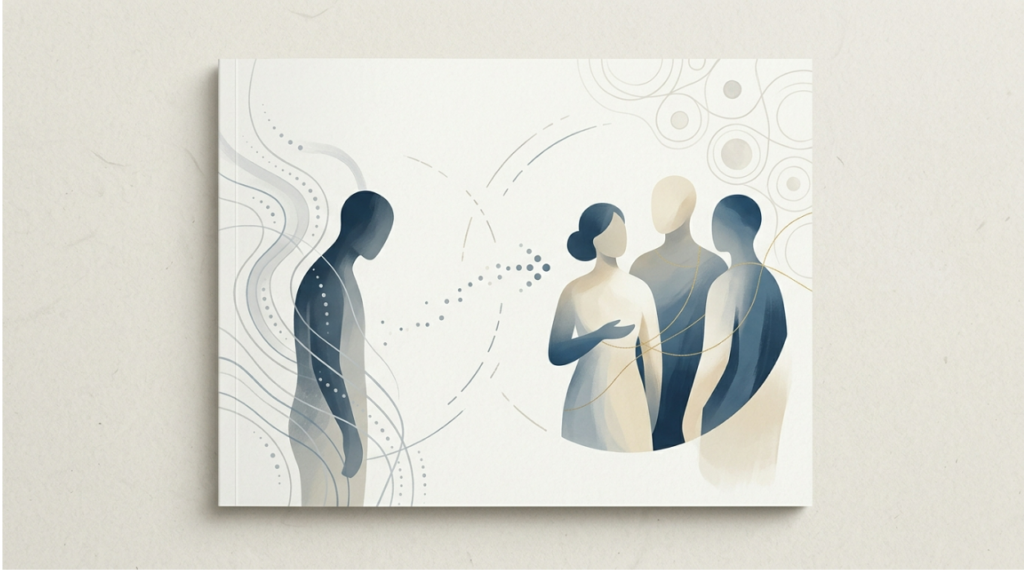
However, there is a vital distinction between a video serving as a starting point for selfreflection and treating it as a definitive clinical verdict. Navigating online health information safely comes down to maintaining critical distance. Before trusting advice online, it is essential to look into the creator’s background to verify whether they are a licensed practitioner speaking within their actual field of expertise. Rather than self-assigning a diagnostic label, videos that resonate can simply be used as a prompt to track what you are feeling and when it occurs. Sharing those observations directly with a qualified doctor or therapist allows a practitioner to help contextualize your experience safely. While digital platforms can give us the vocabulary to describe what we are going through, accurate diagnosis and safe care still require a human element that an algorithm simply cannot provide.