By S. Clarke
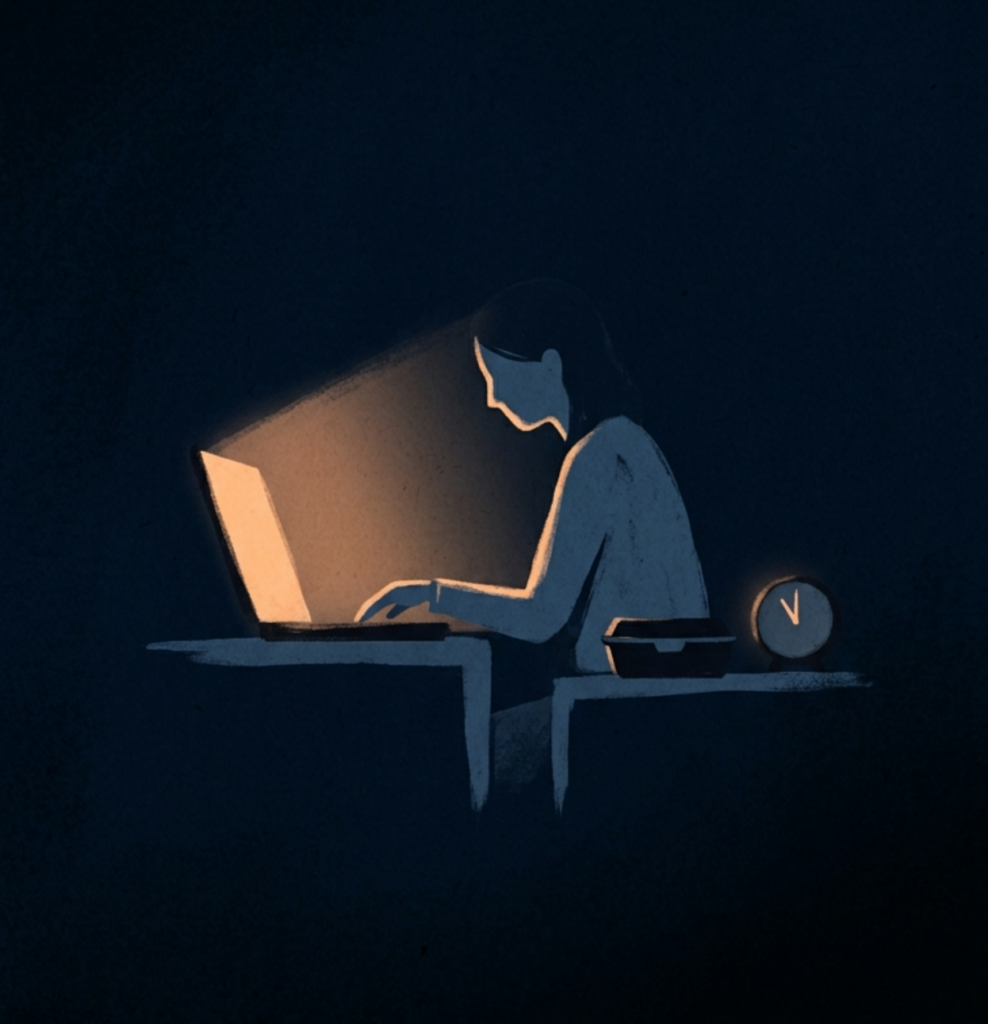
Every day we wake up, and there’s a series of thoughts going through our heads. What am I going to eat today? How will I get to work? Maybe I should try that expired egg in the fridge? Behind these thoughts, and many more which go unseen, are a series of emotions from annoyance, to happiness, to fear (no doubt at almost consuming a rotten egg). They exist even if we aren’t aware of them. They may influence the way we act or view the world around us. I know that when I’m mad, I’m a lot less forgiving of minor things than if I’ve had a good day. It’s because of these influences that, for many people, emotions are important to understand. Well, of course, we all know we have them, but what I mean by understanding is being able to recognize why we’re feeling something, how it is affecting us, and how to deal with it beneficially.
Those three things, depending on who you are, might seem entirely too simple or impossible. They are neither! Yes, emotions are difficult to grasp, and nobody will ever be perfect in doing so, yet progress can happen gradually, and experience can build over time.
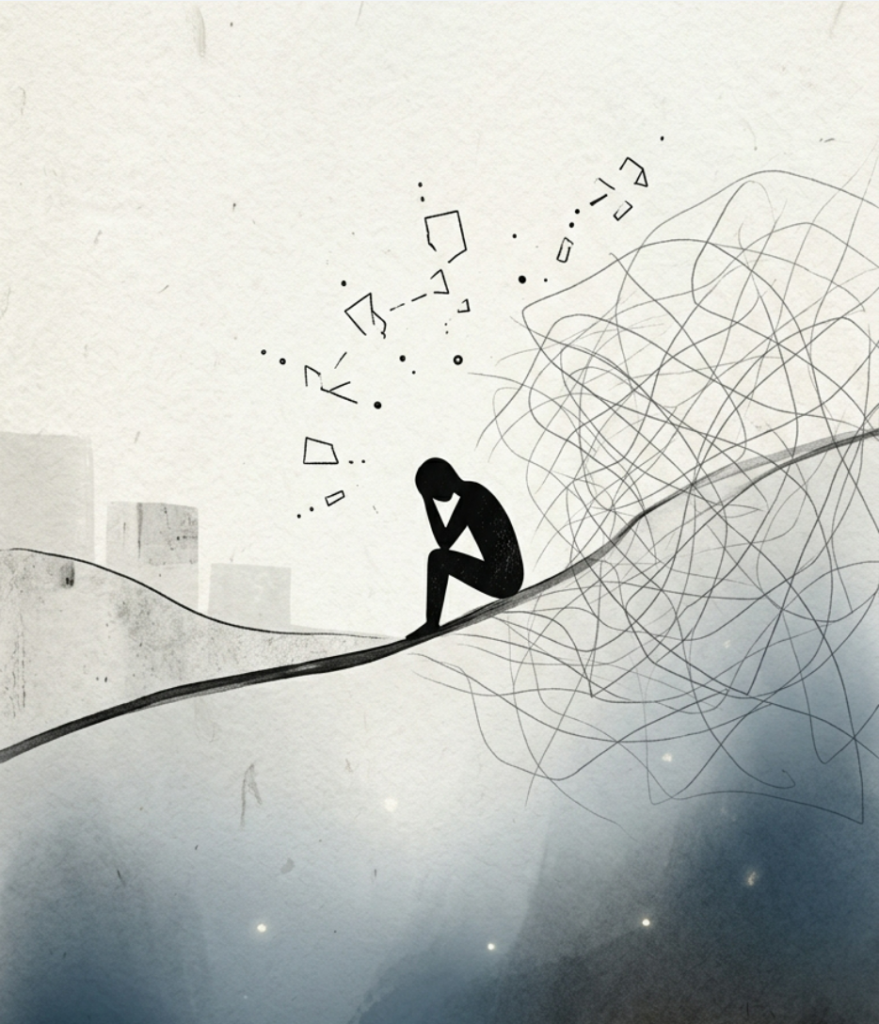
Emotions are one of those things that, while it can be easy to know how we feel about something, it can be frustratingly difficult to do so in the moment. Or even if we do recognize how we feel, for example, if we miss an important flight, we may know that we feel angry, but it can seem like recognizing an emotion doesn’t change how we react. Of course, knowing that we’re upset won’t bring the plane flying back to give us a lift, nor will it make the sting of missing a flight any less present. Luckily, that is not the point. Recognizing what emotions we are going through allows us to begin the process of understanding and managing them more efficiently.
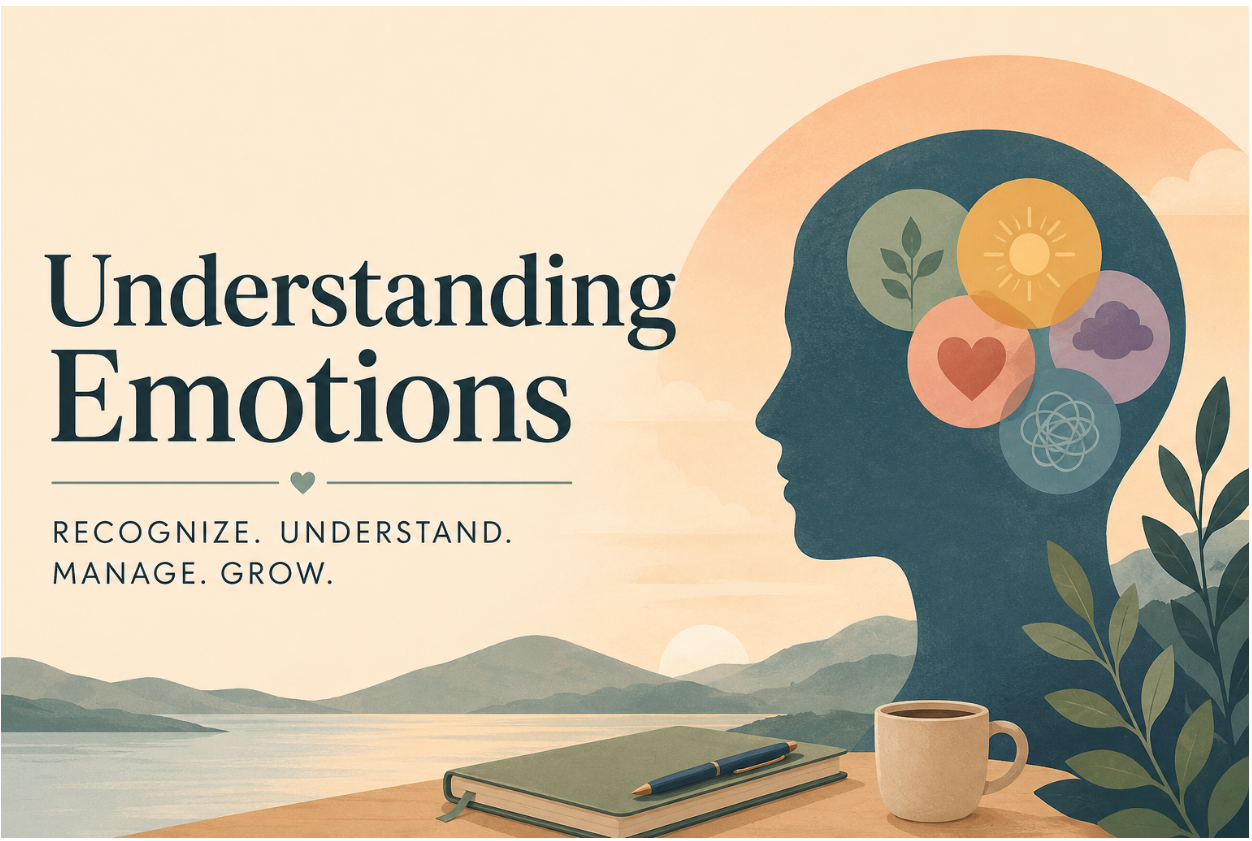
Some steps that can be beneficial to recognizing emotions are, during a particularly emotional moment, taking a deep breath and trying to take around 10 seconds to identify why you feel a certain way before reacting impulsively. It can also be important to reflect upon emotional responses after they have happened, so you can gain an understanding of how you might react to something similar in the future, better recognizing it. One helpful way to accomplish this is by keeping a journal. I know in my own experience that having a record of past events can help a lot by allowing us to compare current experiences quickly and reliably to past ones. I’ve found myself realizing that while an emotional response might feel like the end of the world in that moment, when you can look back and see not only how you dealt with it in the past, but also that you moved forward anyway, it gives you peace of mind. (UNH, n.d.)
That doesn’t mean that emotions are somehow negative. Although it can be tempting to focus mostly on negative emotions, especially when you’re writing an article about them like I am, the more I think about it, the more I realize that it’s no less important to understand our positive emotions. Figuring out why we feel excited or happy can not only help us better understand the rest of our emotions by contrast, but also help us put ourselves in situations where we do feel happy or comfortable. One thing to be careful of is using our own emotional understanding to make assumptions about someone else’s experience (Carola & al, n.d.).
One way we can better deal with those emotions that are hard to work through in the moment, whether positive or negative, is journaling. In a journal, you can write down what happens in the moment as well as the progression of your emotions over time, allowing you to keep it as a kind of record of your emotional responses as well as how you recovered from them to reference later.
Journals are not perfect and do require a bit of commitment to get into, but they are one tool that can be added to help us gain a bit deeper understanding of ourselves.
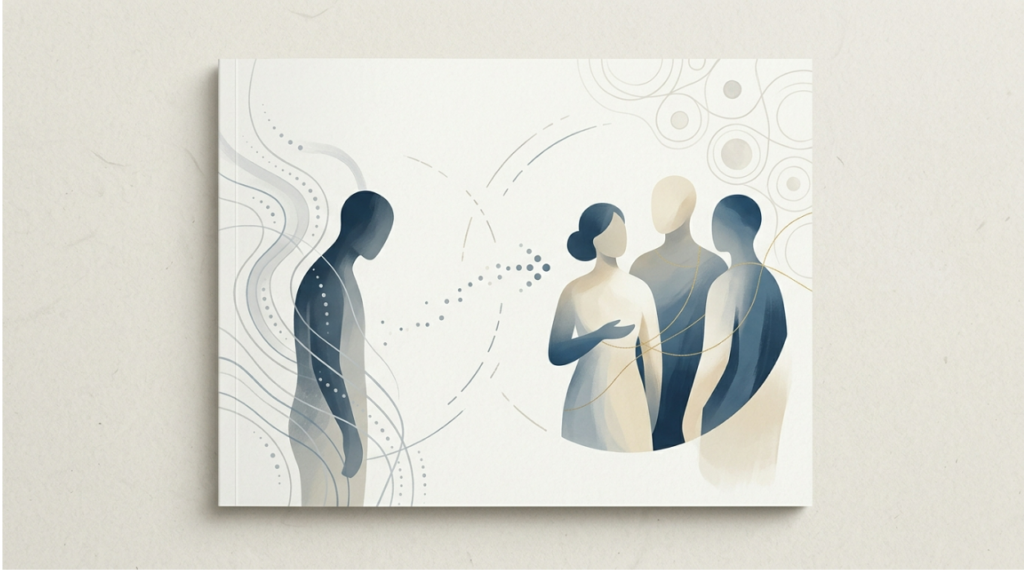
Another is talking to others. Yet, I can’t count the number of times I’ve heard “just let it go” said in response to someone relating their emotions. It is true that there is a lot of good that can come from letting things go. It stops us from being locked onto one event without moving on in our lives. But many times, letting things go can be hard to manage all at once, especially if we don’t get the satisfactory results we were hoping for at the moment.
Because we can think of emotions as a reflection of what we have experienced or feel about things, what one person feels will not be the same as another’s, nor will the way those feelings manifest. It can be important to try to understand where your emotions come from, but also where others’ do.
Despite this, finding others to listen to our emotions in a constructive and beneficial way can be helpful to express those feelings in a way that makes them feel validated, or can help us see things from new angles that our own minds would have been likely to miss.
I find myself thinking about these things a lot, perhaps more often than I should. The more I reflect on these things, the more I tend to feel that emotions are quite beautiful in many ways. They give us an understanding of complex concepts that can’t even be put into words.
At times, they can feel quite overwhelming. When understood, they may still overwhelm us at times, but the difference is that we will understand how and why we feel the things we do so that we can view them in a logical way, as a system that often exists to help us understand and respond to our experiences.
References
Carola, M., & Al, E. (n.d.). Emotion recognition in evolving facial expressions: A matter of believing. PMC. Retrieved May 4, 2026, from https://pmc.ncbi.nlm.nih.gov/articles/PMC9875561/
Rieser, L. A., & Ekman, P. (n.d.). Emotional expression | Health and Medicine | Research Starters. EBSCO. Retrieved May 4, 2026, from https://www.ebsco.com/research-starters/health-and-medicine/emotional-expression
Sliwa, J. (2017, 10 10). Best Way to Recognize Emotions in Others: Listen. apa.org. https://www.apa.org/news/press/releases/2017/10/emotions-listen
UNH. (n.d.). Recognizing Emotions. Retrieved 5 15, 2026, from https://www.unh.edu/pacs/recognizing-emotions
Editorial Note: This article was written by the Editorial Team Content Development Associate, Discover Psychology Foundation. Edited by Rumaisa Azhar Khan, Saniya Qureishi.