By S. Clarke
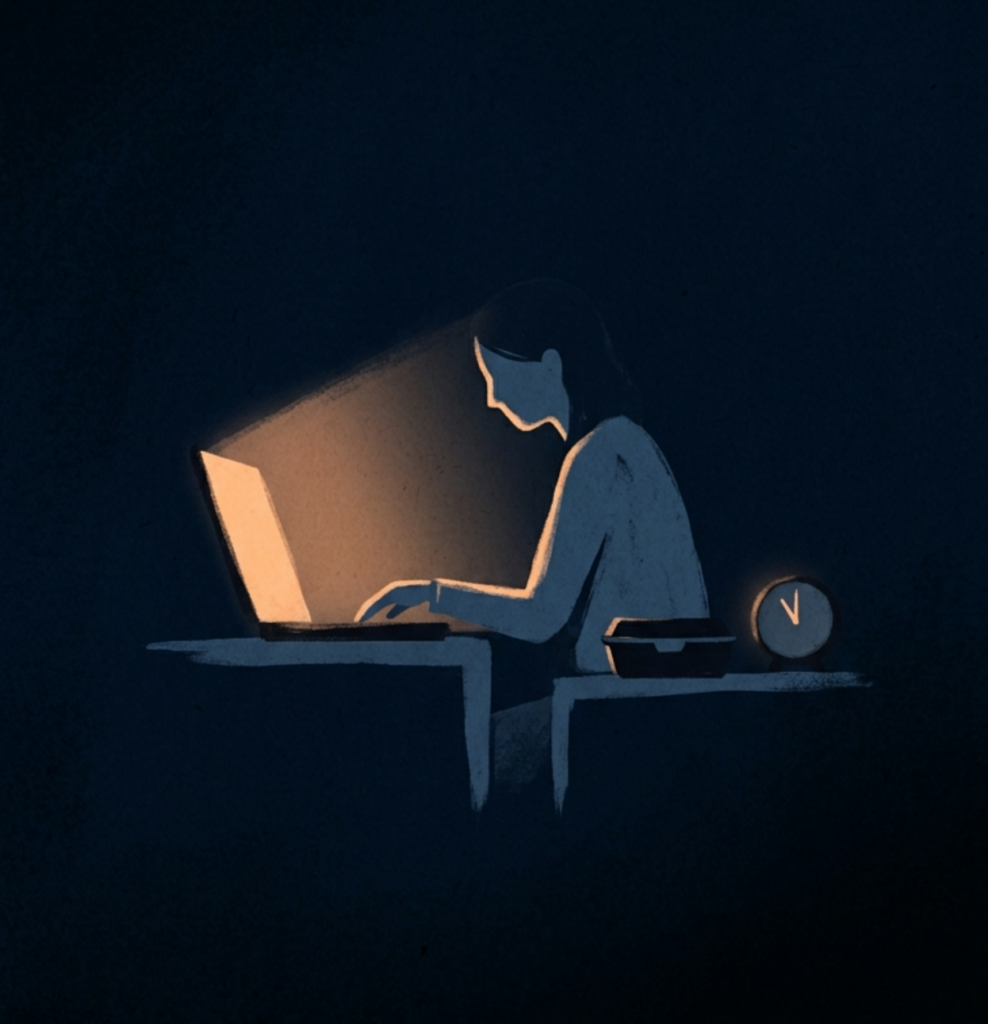
Today, we’re constantly racing around. I know for me, there’s hardly a still moment in my life where there is time to collect the swirling thoughts that go around in my brain. Struggles may be commonplace nowadays, yet it feels as though we have less and less time to actually process, let alone let out, those mounting pressures that may build in our hearts. This is why it is so important to understand and make use of emotional expression in our daily lives to let the steam out of the engine, as it were. To explore this relationship a bit more, I want to examine the importance of emotional expression, why it may be difficult, and how we can use it in our lives.
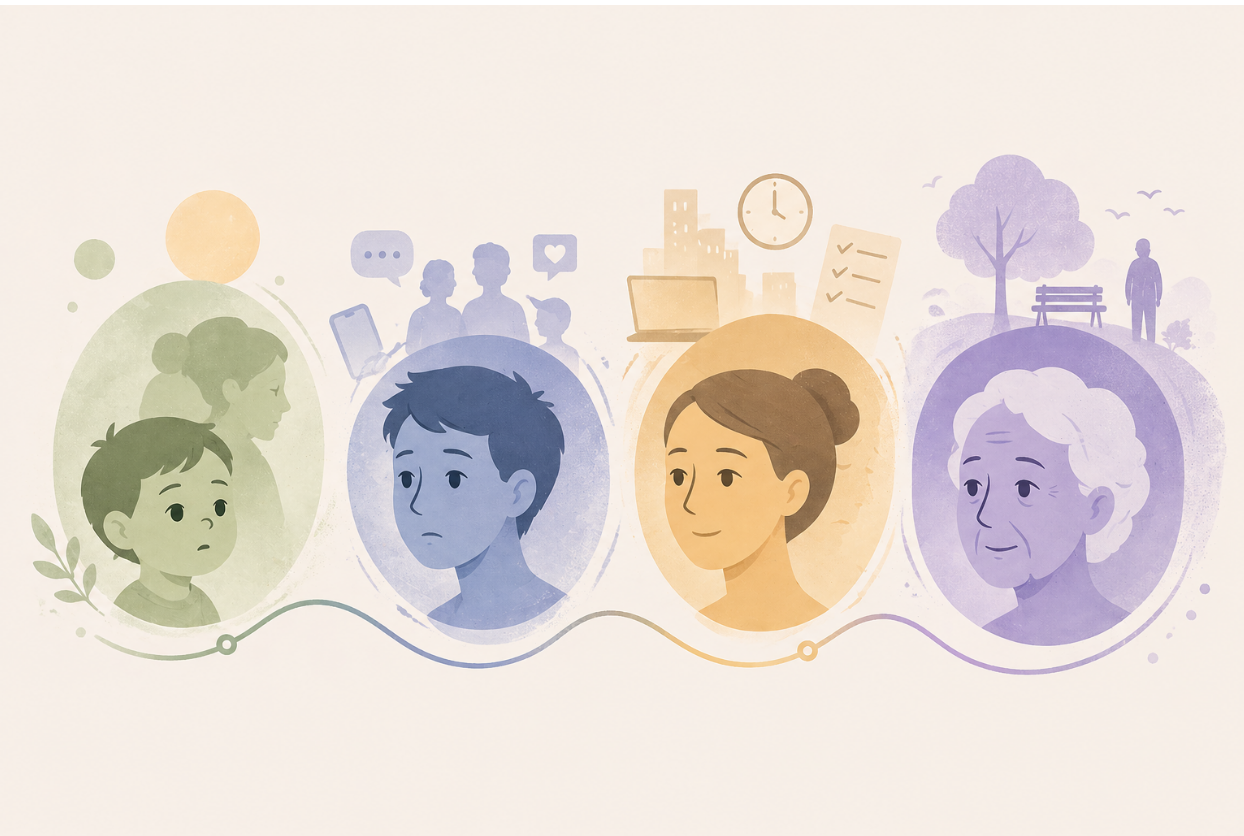
Emotions are not unfamiliar to most of us; from anger to joy, they are something that, on some level, we can all relate to. Despite this universality, they are not universal in their experience or use. What I mean by this is, if we view emotions as a sort of encoded script that decides how we react to situations, while everyone may have the same writer of that script, it is never written in the same way. Our past experiences, both good and bad, can have an outsized effect on how we react to certain situations. Someone who fell out of a hot air balloon in the past may not exactly be pleased when they get joyfully invited for a hot air balloon ride. While that example is rather extreme, emotional responses develop to nearly everything in our lives, whether we are aware of them or not. We can never truly escape them, nor would it make sense to. Emotions are very helpful to us, as they allow us to paint moments in shades of harmful or beneficial depending on how they’ll help or harm us. It can be more helpful to think of emotions in this way so that we can begin to see why processing them is also a necessity.
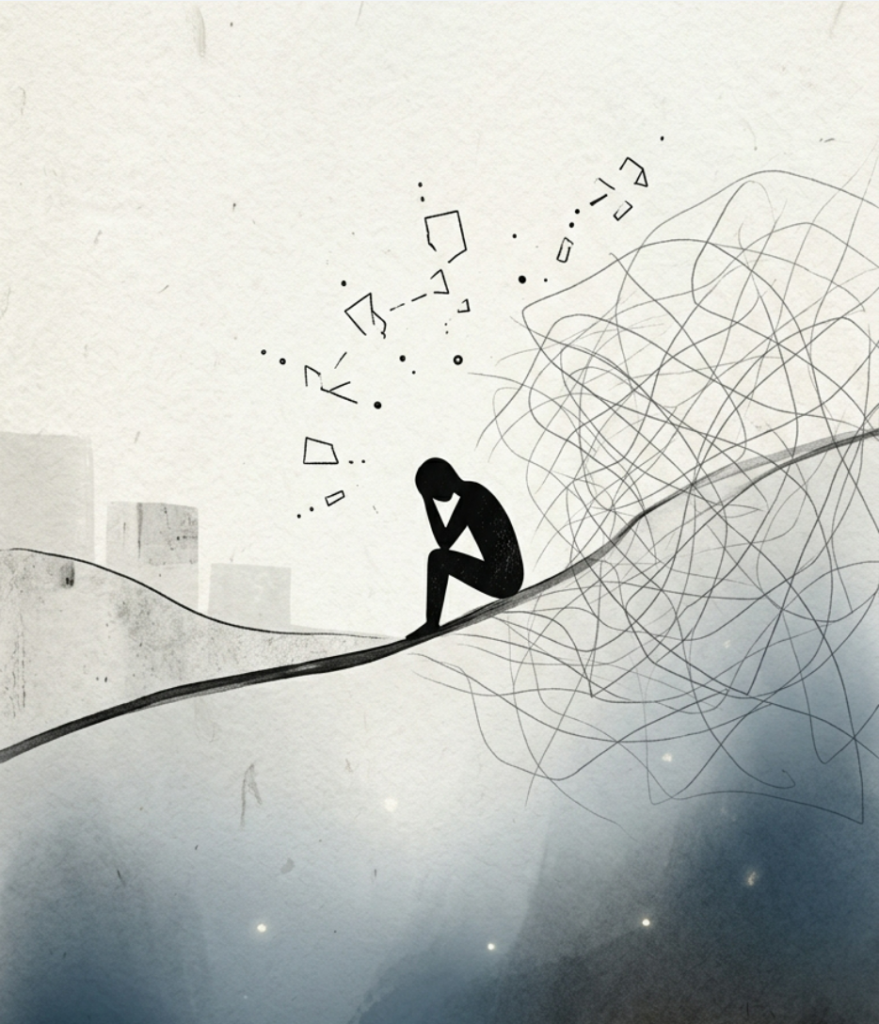
Emotions are tied to other information, whether an event, a memory, or perhaps some stray chemical signal. There is a reason, even if at times it might make no sense even to our own brains, why we feel a certain way. Because of this, when emotions build up and persist past whatever event they are in response to, they can cause the same mental burden on us without serving any of the same functions that they did at the time. Being able to express our emotions lets us separate the emotion from the event and release it from our system.
Of course, this is all much simpler to put into words than it is to put into practice. Our body will go about expressing our emotions involuntarily, but while there are many ways to express emotions, they may not always deliver the same results. For example, if we were to get into an argument with a close friend about which TV show character was the best, while in our mind we may feel justified in lashing out in anger about their abysmal media opinion, such impulsive reactions often intensify the disagreement rather than resolve it, potentially harming the relationship. For this reason, it is not only important to be able to express our emotions in a healthy manner, but also to be able to recognize them.
When we choose to suppress or ignore our emotions, the end result of such a move might sometimes cause additional emotional strain, not only with our relationship with that person, but also, rather than letting go of the emotions, cause them to build up further. At times, this may seem easier than at others. There may be many instances where our emotions are connected to an immediate event. The person being asked to ride in the hot air balloon might have a direct line to what causes the emotional response: As in this event leads to this feeling inside me of discomfort. In reality, emotions can act more like a web than a one-way street. Yet in no way does this imply that emotions are not recognizable. Humans have a surprising knack for understanding emotions despite their complexity. Our brains are constantly running calculations shaped by our own perceptions of what we are feeling and why.
At times, it may be tempting to shove emotions down, but our minds do not forget those experiences – they stay with us and often return when similar situations arise. Just because we aren’t focusing on them at the moment doesn’t mean they aren’t still present. Emotions don’t just exist in our heads; they do have real physical effects on our bodies. We have many automated responses that can depend highly on what we’re feeling, such as heart rate, adrenaline levels, sweatiness, etc. These responses are also reflected in our muscle movements, perhaps we let out a laugh when happy or a glare when sad. These changes reflect not only a shift in our outer appearance but also a reflection of our internal one.
All these effects from emotions are what make recognizing them and learning, developing methods to cope with changes in their state, so important.
But it’s also because of our bodies’ quick reactions to emotional stimuli that this control can be very difficult. It may be that the situation that is causing the emotional response itself is taking most of our attention, making emotional regulation difficult. Even when we are aware of our emotions and try to work with them, it does not mean negative feelings will simply disappear, nor does it mean that we’ll be able to handle our emotions perfectly in every situation. In both cases, that’s ok. The goal of emotional expression is not to remove emotions, but to be able to better understand why we’re feeling a certain way so we can make more informed decisions for ourselves.
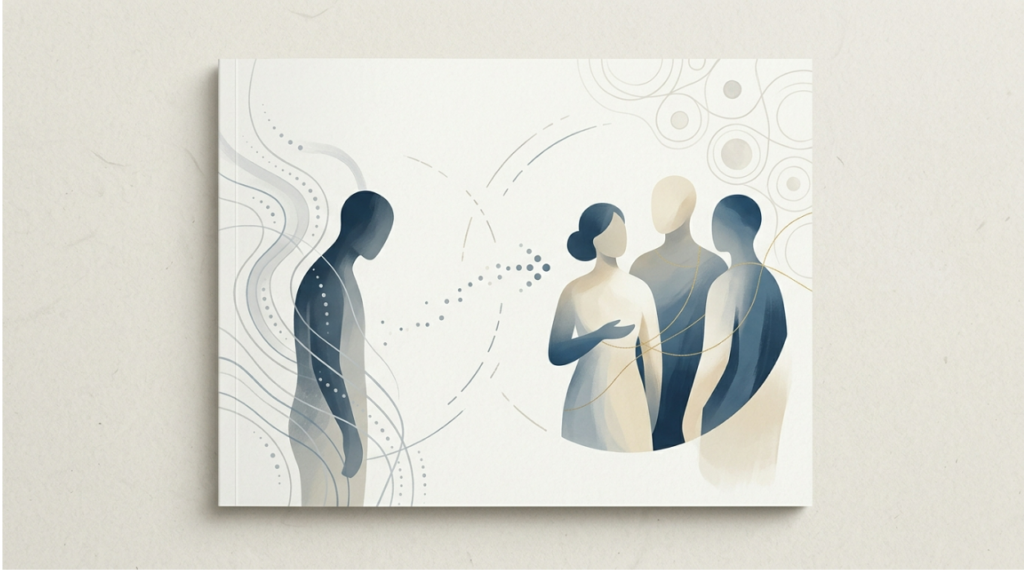
Personally, I find it easier at times to recognize what others are feeling than myself. It can be odd that our minds can intensely note every twitch a person makes and develop an entire elaborate explanation for their current state. But just as with ourselves, it can be important not to view our emotional responses with objective reality. There may be many reasons that others are feeling the way they do that do not align with our knowledge or understanding. While being able to express our own emotions is an important skill, on the flip side, being able to accept the imperfections in how others express their emotions may be just as important (Sliwa, 2017).
Now, as we have seen, emotions are quite complex, but are very natural to us. So what are some strategies to actually deal with emotions as they emerge in our lives? The first thing is to try to take a moment in any situation, whether sitting alone in a calm environment, during a stressful situation, or simply while going about your day, to try to identify what emotions you’re feeling. Try to separate this from the actual event as much as possible. While odd, it can help to purely identify the emotion without being trapped in whatever event caused it. Taking this moment may also help some of the initial chemical responses subside slightly and allow for calmer judgment (KHS, n.d.).
Once our emotions are identified, it allows us to voice what they are more fluently and gives us the control to begin trying to let them go, to give ourselves more room to breathe. For a longer-term option, it can help to keep a journal and write down how you feel at the moment of extreme emotions, as well as reflect later on. Talking with others can also help, but it is important that the purpose of the conversation comes from a productive place. While venting blindly may help, it can also cause the emotional response to repeat itself, causing a larger emotional buildup.
Emotional expression, whether we are understanding how we feel, trying to deal with physical reactions to emotional responses, or interacting with others, is not just about finding out how we feel, but gaining a better understanding of ourselves and letting us move past an old emotion to give us more control over how we feel. We shouldn’t expect perfection. Ultimately, what matters most is how we ourselves feel, so next time you feel a wave of emotion coming on, take a moment, breathe, and realize you know what you feel.
References
Carola, M., & Al, E. (n.d.). Emotion recognition in evolving facial expressions: A matter of believing. PMC. Retrieved May 4, 2026, from https://pmc.ncbi.nlm.nih.gov/articles/PMC9875561/
Keltner, D. (n.d.). Emotional Expression: Advances in Basic Emotion Theory. PMC. Retrieved May 4, 2026, from https://pmc.ncbi.nlm.nih.gov/articles/PMC6687086/
KHS. (n.d.). How Do I Use Emotional Expression to Overcome Stress? The University of Kansas Health System. Retrieved May 4, 2026, from https://www.kansashealthsystem.com/health-resources/turning-point/programs/resilience-toolbox/emotional-expression/how-do-i-use-emotional-expression
Rieser, L. A., & Ekman, P. (n.d.). Emotional expression | Health and Medicine | Research Starters. EBSCO. Retrieved May 4, 2026, from https://www.ebsco.com/research-starters/health-and-medicine/emotional-expression
Sliwa, J. (2017, 10 10). Best Way to Recognize Emotions in Others: Listen. apa.org. https://www.apa.org/news/press/releases/2017/10/emotions-listen
Editorial Note: This article was written by the Editorial Team Content Associate, Discover Psychology Foundation. Edited by Rumaisa Azhar Khan, Saniya Qureishi.