Understanding the Hidden Emotional and Psychological Challenges
By Editorial Intern Cohort 1
(Dur e Mufasarah, Imaan Siddiqui, Maimuna Abubakar)
Many student challenges are visible, yet the emotional impact behind them is often overlooked. Students may smile, study, and perform well, while quietly carrying worries that affect motivation, confidence, and mental health. Sometimes this silence grows from fear of being misunderstood, judged, or disappointing others. While not every student relates to these experiences, research helps highlight patterns that some students report.
Family Expectations and Parental Pressure
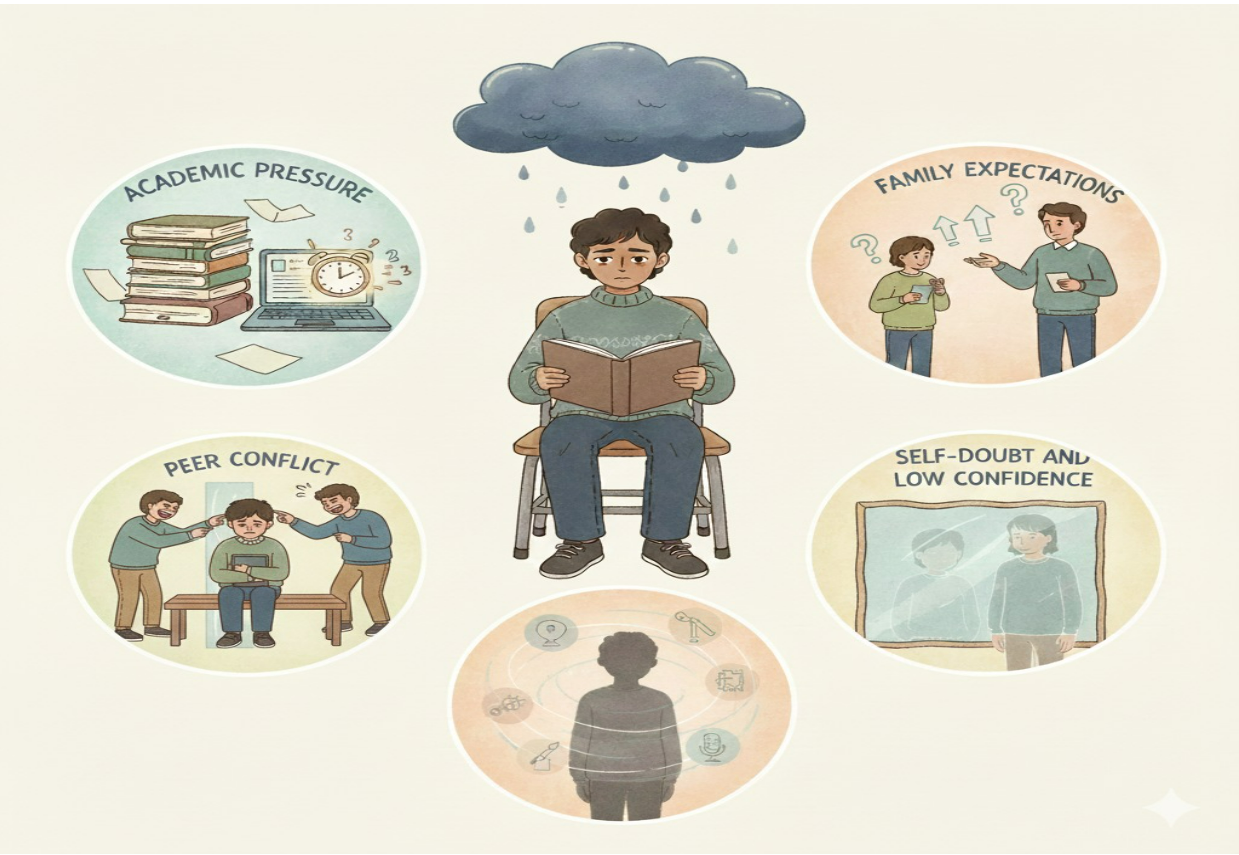
Family can be a source of support, but for some students, it may also become a significant source of stress. Research demonstrates that many students face high parental expectations for academic performance and future success (Zhou et al., 2023). This does not mean parents intend harm—most act out of love and hope for their child’s success. However, when they miss emotional support or have limited privacy, students may feel unseen instead of guided, which can quietly impact their well-being.
Academic Pressure and Emotional Burnout
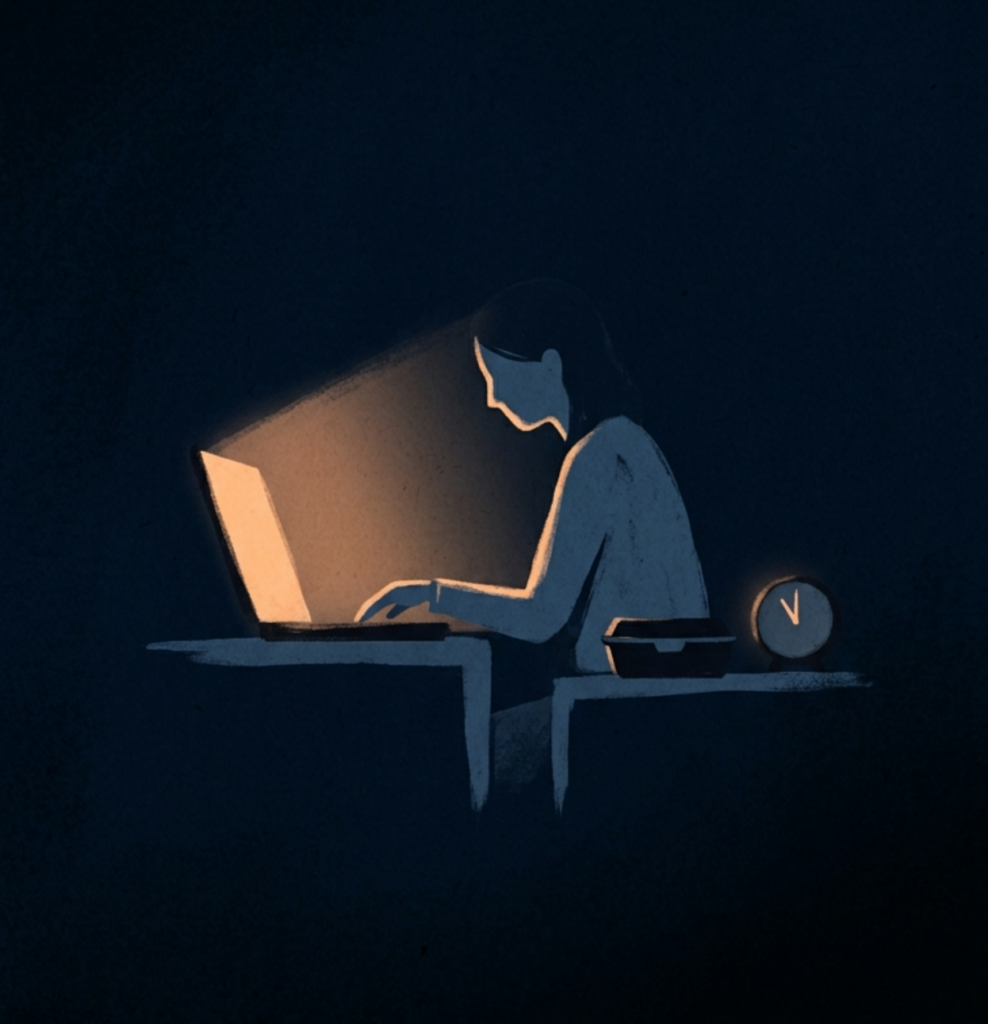
Another vital challenge is academic stress and burnout. Exams, deadlines, and competition can be overwhelming. These experiences do not necessarily indicate a mental health condition, but may reflect periods of high stress. The studies (Liu et al., 2024; Gong et al., 2023) show that high levels of learning stress are strongly associated with emotional exhaustion and reduced motivation. Many students do not openly share this burden because they fear being seen as weak. Instead, they keep going, even when tired, which can deepen internal struggle.
Limited Psychological Resilience
Not all students have equal access to coping tools, safe spaces, or guidance. Those with lower resilience may be more vulnerable to emotional strain, particularly in competitive environments (Gong et al., 2023). This is not a personal failure; it is often about support systems, skills training, and environment, which vary for each student.
Challenges in Peer Relationships and Belonging
Peer relationships can be stressful among students. Research suggests that students may feel the need to suppress anger or dissatisfaction to maintain harmony, which increases internal stress (Zhou et al., 2023). Feeling excluded, misunderstood, or unfairly treated can increase loneliness. Even in busy classrooms, a student may feel they have no trusted person to talk to, which reinforces silence.
Struggles With Self-Belief and Identity in Students
Many students doubt their ability to handle academic or social demands. This low self-efficacy is linked to higher stress and can be associated with anxiety, sadness, and academic burnout, though they do not necessarily indicate a clinical condition. Heavy workloads and high expectations may also strain a student’s developing sense of identity. Both studies (Liu et al., 2024; Li et al., 2022) suggest that academic stress is negatively related to self-identity, confidence in personal abilities and goals. Together, stress and self-doubt can increase uncertainty about one’s competence and sense of self.
Supporting Student Well-Being: Gentle, Practical Ways Forward
While these challenges are complex, small, supportive changes in environment and communication can make a meaningful difference.
Strengthening coping skills and resilience
When students learn how to express emotions safely and ask for help, stress can become easier to manage. Gentle guidance, counselling support, and caring adults can make it easier for students to talk about their feelings instead of suppressing them (Alkhawaldeh et al., 2023). This does not completely remove pressure, but it can help students feel less isolated while dealing with it.
Peer connection and support
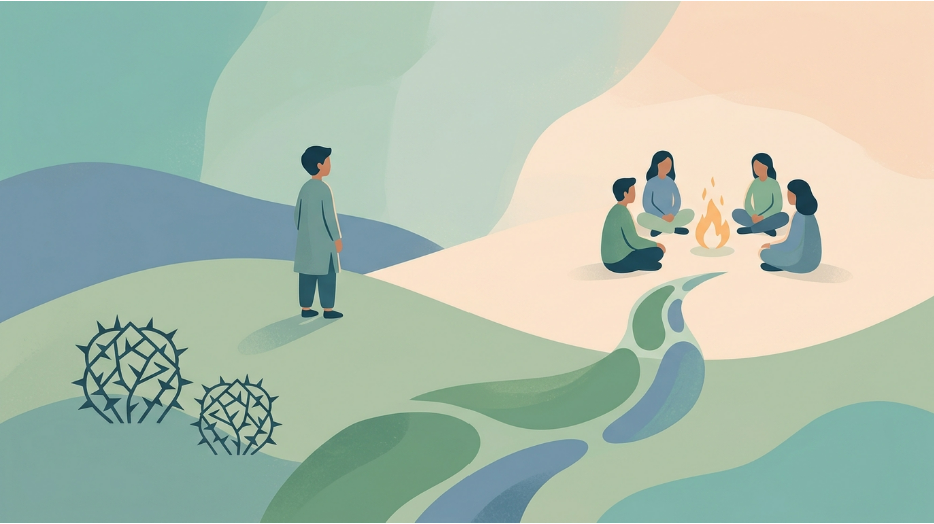
Feeling connected to classmates can make a big emotional difference. Safe spaces, listening circles, or supportive group activities may allow students to share how they feel without judgment. Knowing “someone understands me” can reduce isolation and silent stress.
Strengthening self-confidence and identity
When students doubt themselves, academic pressure can feel heavier. Encouraging words, achievable goals, and space to explore interests can slowly build self-confidence (Alkhawaldeh et al., 2023). Supportive environments may help students feel valued for who they are, not only for their performance.
Reducing Burnout Through Resilience
Academic stress can be tiring and emotionally draining. Support such as time-management help, lighter workload periods, or wellbeing breaks can reduce exhaustion. Students who gradually learn stress-management strategies often find it easier to cope during demanding times (Alkhawaldeh et al., 2023).
Student experiences are diverse and shaped by many personal, social, and cultural factors. While challenges may not always be visible, they are not uncommon. Creating environments where students feel heard, supported, and not judged can play an important role in their well-being. At the same time, it is important to recognize that each student’s experience is unique, and support should be approached with sensitivity and care.
References:
Alkhawaldeh, A., Al Omari, O., Al Aldawi, S., Al Hashmi, I., Ann Ballad, C., Ibrahim, A., Al Sabei, S., Alsaraireh, A., Al Qadire, M., & ALBashtawy, M. (2023). Stress Factors, Stress Levels, and Coping Mechanisms among University Students. TheScientificWorldJournal, 2023, 2026971. https://doi.org/10.1155/2023/2026971
Gong, Z., Wang, H., Zhong, M. and Shao, Y. (2023) ‘College students’ learning stress, psychological resilience and learning burnout: status quo and coping strategies’, BMC Psychiatry, 23, pp. 1–12. Available at: https://doi.org/10.1186/s12888-023-04783-z
Li, P., Yang, J., Zhou, Z., Zhao, Z. and Liu, T. (2022) ‘The influence of college students’ academic stressors on mental health during COVID-19: the mediating effect of social support, social well-being, and self-identity’, Frontiers in Public Health, 10, pp. 1–12. Available at: https://doi.org/10.3389/fpubh.2022.917581
Liu, W., Zhang, R., Wang, H., Rule, A., Wang, M., Abbey, C., Singh, M.K., Rozelle, S., She, X. and Tong, L. (2024) ‘Association between anxiety, depression symptoms, and academic burnout among Chinese students: the mediating role of resilience and self-efficacy’, BMC Psychology, 12, pp. 1–13. Available at: https://doi.org/10.1186/s40359-024-01823-5
Zhou, X., Bambling, M., Bai, X. and Edirippulige, S. (2023) ‘Chinese school adolescents’ stress experience and coping strategies: a qualitative study’, BMC Psychology, 11, pp. 1–14. Available at: https://doi.org/10.1186/s40359-023-01137-y
Editorial Note: This article was developed as part of a collaborative editorial group task by Cohort 1 interns at the Discover Psychology Foundation and is featured in the Editorial Internship Exhibition.